
3D product photography means two different things depending on who says it, and anyone googling the term deserves to have that untangled first. To photo studios it means shooting a physical product from dozens of angles on a motorised turntable, so shoppers can spin it on the page. To CGI studios like ours it means the opposite trick: no camera at all, the photos are rendered from a 3D model of the product. That second route is what we mean by virtual product photography, and it has its own rules about when the switch pays off. Both produce the same deliverable, a set of product shots for a store page, and this guide covers both routes, which one fits which situation, and the seven shots every product page draws from.
The camera route. A real sample sits on a motorised turntable inside a light tent, a rig fires the camera at set intervals, and software stitches the frames. It needs the product to physically exist, an equipment investment, and studio time per SKU, and it shines when you have hundreds of existing products and an in-house photo corner.
The render route. A 3D model is built once from your CAD, drawings or photos, and a virtual camera takes every shot from it: any angle, any background, any light, including shots no rig can take, like exploded views or macro closeups of stitching. The product does not need to exist yet, variants cost almost nothing, and a design change is a re-render rather than a reshoot. The craft is unpacked in our 3D product rendering guide, and the product visualization page shows what each shot costs.
Both routes end at the same shot list. Here are the seven photos a product page actually uses, and every one of them can come out of either pipeline.
#1. White Background Shots
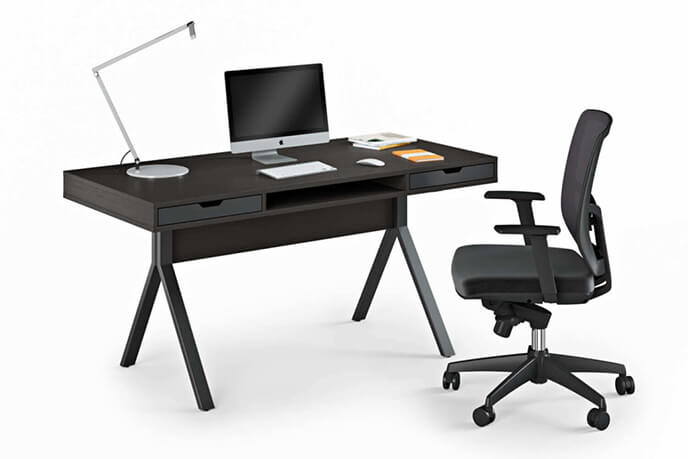
An item with a plain white background - simple and to the point. Among all types of 3D product shots this one is used almost constantly and can be seen in catalogs and other promotional materials. It works best for web platforms like individual or category pages and lists. Overall, if you’re looking for the fastest and cheapest option for menial tasks - this one is for you.
#2. Lifestyle Shots

While previous option was plain with no excesses, these 3D product shots are polar opposite of that. Lifestyle images showcase items in natural and appropriate environment, with fitting decor. They serves several purposes. First, the goods seem more tangible, since customers can see how they can fit their homes. Second, it is very enticing visually, making use of not just composition and lighting, but also spot-on interior design and visual storytelling, instantly gaining control of clients’ attention and indulging them to buy not just the item, but also the decor. If you want to diversify marketing visuals and expect great returns - go for lifestyle shots!
#3. Scale Shot
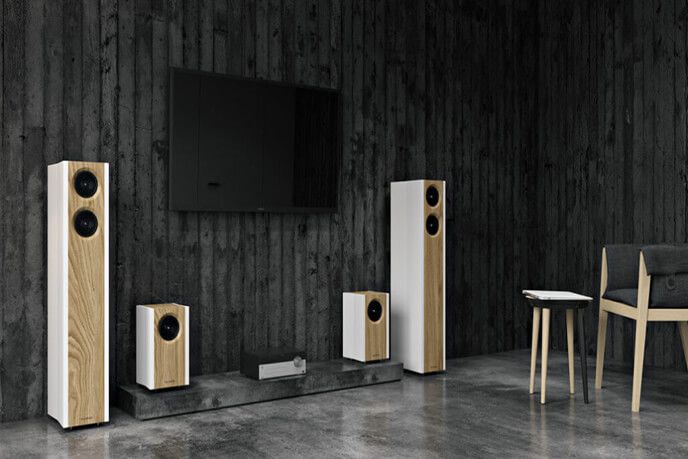
Now we’re getting into specific 3D product shots territory. Scale shots feature goods in context, providing a comprehensive demonstration of their scale. This might be surprising, but a lot of customers are lacking in spatial measurement department and find it difficult to visualize the size of what they’re buying from looking at numbers at the label. These pictures are extremely useful for showing how big or small is merchandise visually. If you specialize in manufacturing compact or large objects, scale shots will help your catalogs a lot.
#4. Detail Shots
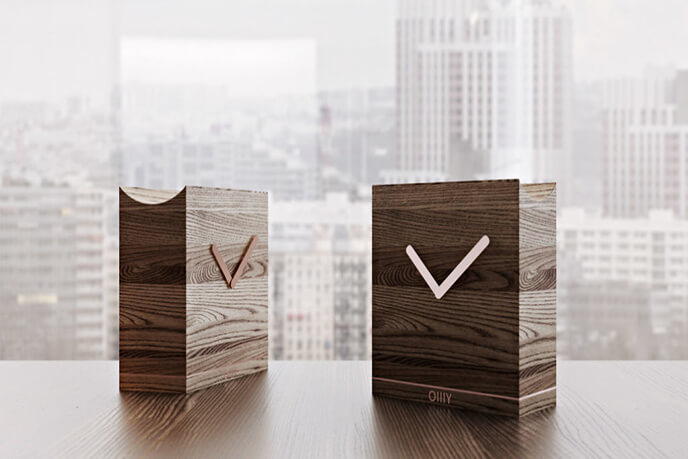
Another zoom solution for ecommerce visuals. Detail shots are close-ups that showcase material quality, feel of an item or fine design touches that make a huge difference. So if you excel at producing such things, detail 3D product shots are your solution. Make them interactive, so that clients can zoom in and out at will, examining products closely.
#5. Group Shots
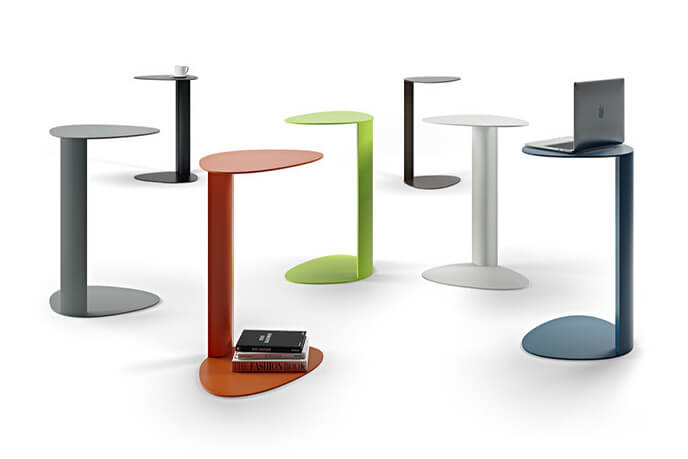
As the name suggests, group images capture a multitude of items at once. These 3D product shots are extremely effective for showing entire lines of merchandise at once or suggesting accessories and decor. A good choice for a front page of company website or a catalog.
#6. Hero Shots
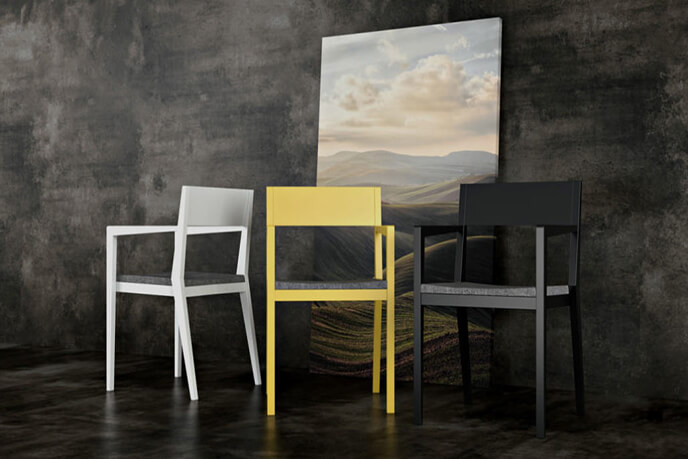
This is arguably a separate type of 3D product shots, but it’s definitely worth mentioning. If you want your promotional materials to make an impact, hero shots come into play. They feature heavy editing, adding cool visual effects like object levitation, multiple foci and so on. Despite being mostly used in classic photography (30% of work is careful shooting and 70% is editing in Photoshop, Lightroom and AfterEffects), a product hero shot can be emulated with CGI - a perfect addition to social media posts!
#7. 360-Degree Shots
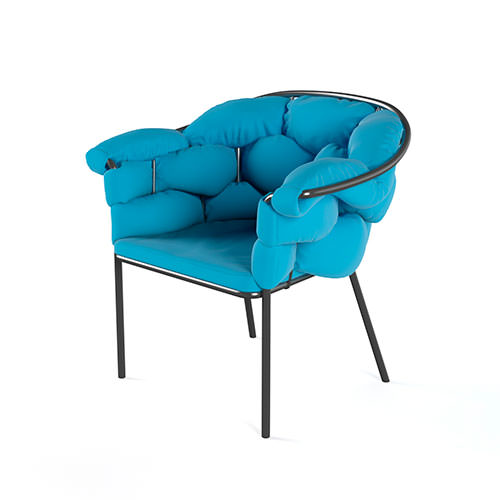
Interactive spins are the one shot type where the two meanings of 3D product photography meet: a rig captures frames of a physical product, a render pipeline generates the same frames from the model. Either way the buyer drags the product around and inspects it from every side, which is the closest a store page gets to handing an item over the counter. How rendered spins are made and priced is covered in 360 product photography.
Which route fits which brand
Shoot on a rig when the products exist, the range is large and stable, and you can justify the equipment plus a corner of the office for it. Food, organic textures and one-off hero shots of existing items also stay camera territory.
Render when products have colour and material variants, when the catalogue changes every season, when items are heavy or awkward to ship, or when marketing starts before manufacturing does. At our studio a silo shot runs about 20 USD as a one-off and about a dollar per image in catalogue batches, a scene shot starts at 120 USD, and the model behind them is a one-time cost that every later image reuses. For the images themselves, see 3D product images; if you are weighing the total budget against a photoshoot, our product photography cost breakdown runs the honest numbers on both sides.
FAQ

Catherine Paul
Content Writer, Editor
Catherine is a content writer and editor. In her articles, she explains how CGI is transforming the world of architecture and design. Outside of office, she enjoys yoga, travelling, and watching horrors.