
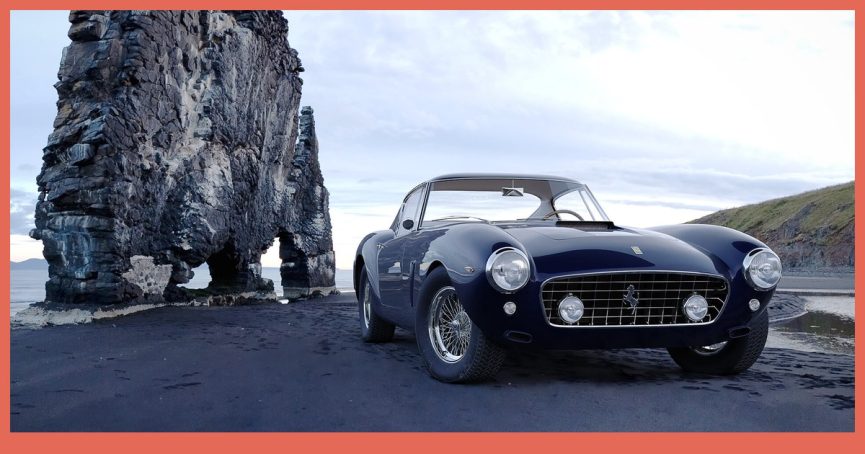
3D product rendering services
Photographs of a product, taken without a camera. Silo shots for retail, scenes for campaigns, macro for the detail that sells. We render from your 3D model, or build the model first and shoot everything from it.
What you get out of a 3D product rendering project
One scene is set up once, and then it answers every request the marketing calendar makes of it.
Silo images on white
Clean shots for the shop, the marketplace and the spec sheet, from any angle, with a transparent background when you need one.
Scenes and lifestyle
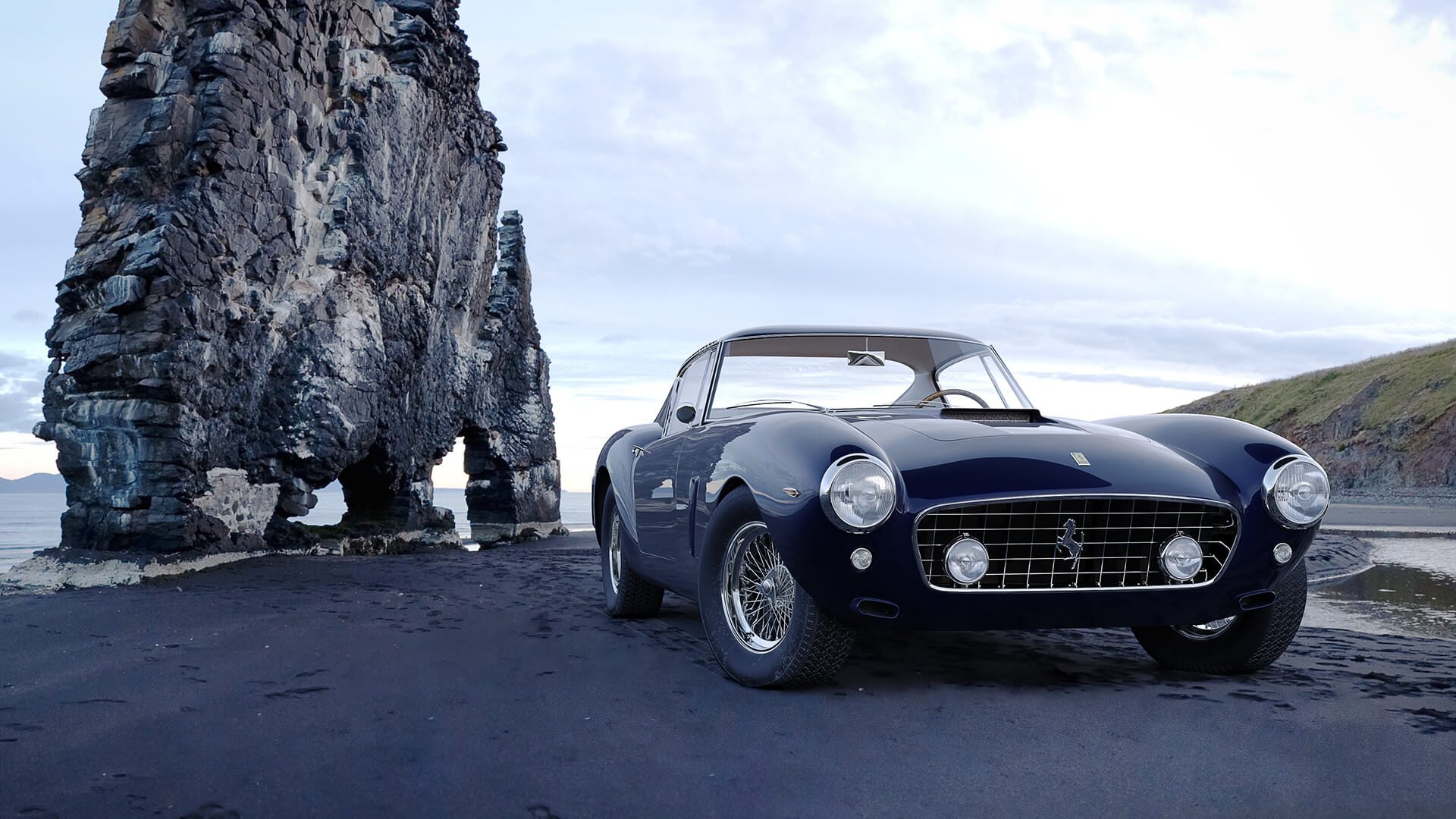
A kitchen, a street, a beach at the hour you choose. The set is built in 3D instead of booked, and the weather always cooperates.
Macro details
Stitching, chamfers, knurling, the grain of a material. The shots that answer the quality question at full screen size.
Cutaways and exploded views
What sits inside the product, which no photograph of a closed unit can show, and which costs render time because the model is already built that way.
Colourways and variants
Every finish, fabric and print from the same scene. A new colour is an afternoon, not another shoot.
Frames for spins and film
The same lighting exports as a 360 sequence for the product page or as the first frames of an animation.
Why brands render products instead of photographing them
- Waits for a finished sample to reach the studio
- Studio, set, crew and retouching for every product
- A new colour or finish means shooting again
- Location, daylight and weather are out of your hands
- Starts from CAD or drawings, before the first unit exists
- The scene is built once and reused for the next launch
- Colours and finishes swap inside the same scene
- Any place, any hour of the day, on the day you need it
The economics change with the second image, not the first. A photoshoot charges you again for every angle, every colour and every campaign, while a scene that is already built charges render time.
A few of the 3D product renders we have made
A small selection out of what goes through the studio in a year. Every image below started as a 3D model, nothing here was photographed, and nothing was retouched from a photograph. The working stages behind images like these are laid out project by project in our product rendering examples.
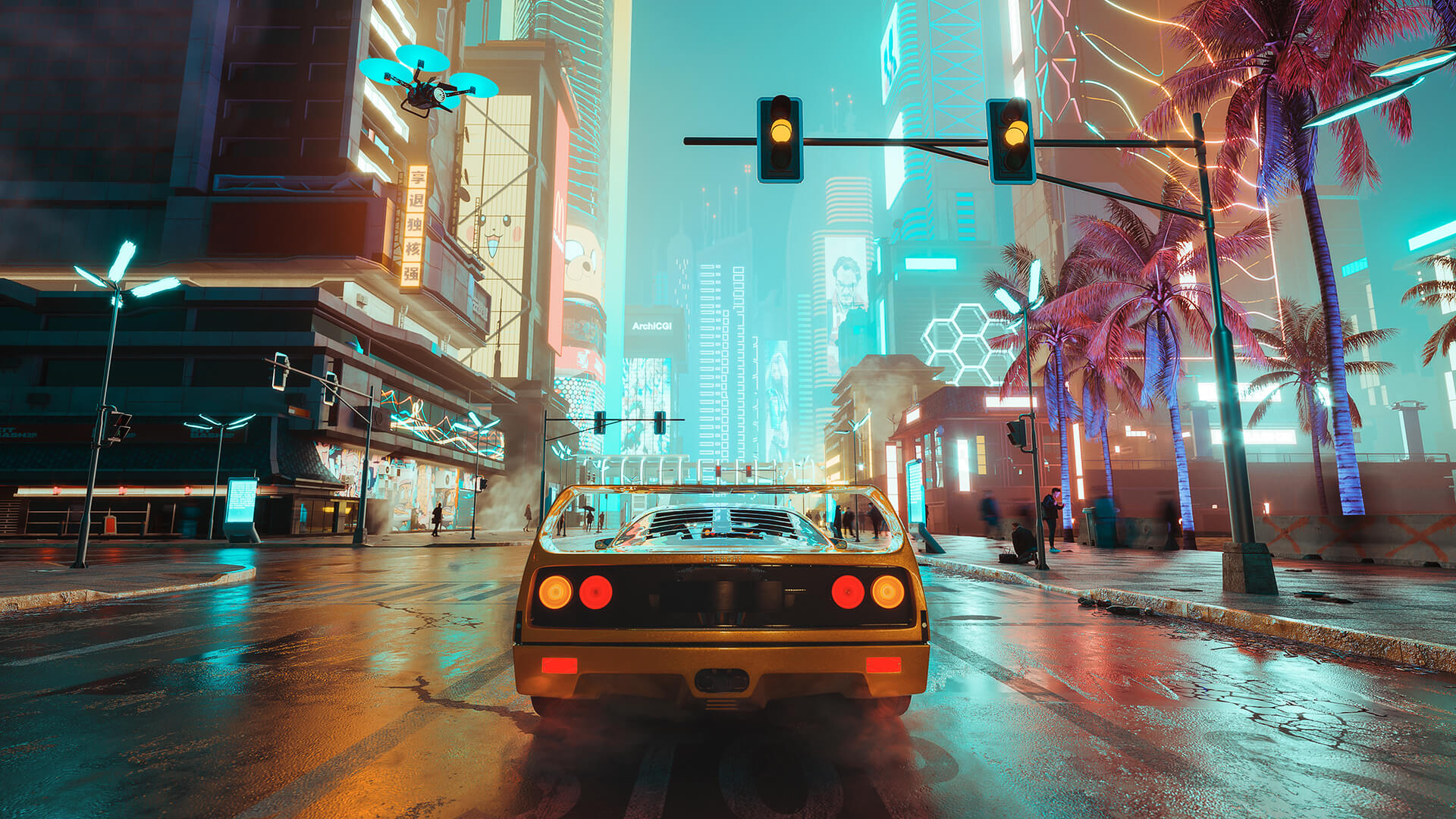
A whole scene, not just the productWet asphalt, neon signs, palms and traffic lights, all modelled and lit. When a campaign needs a place that does not exist, it gets built the same way the product does.
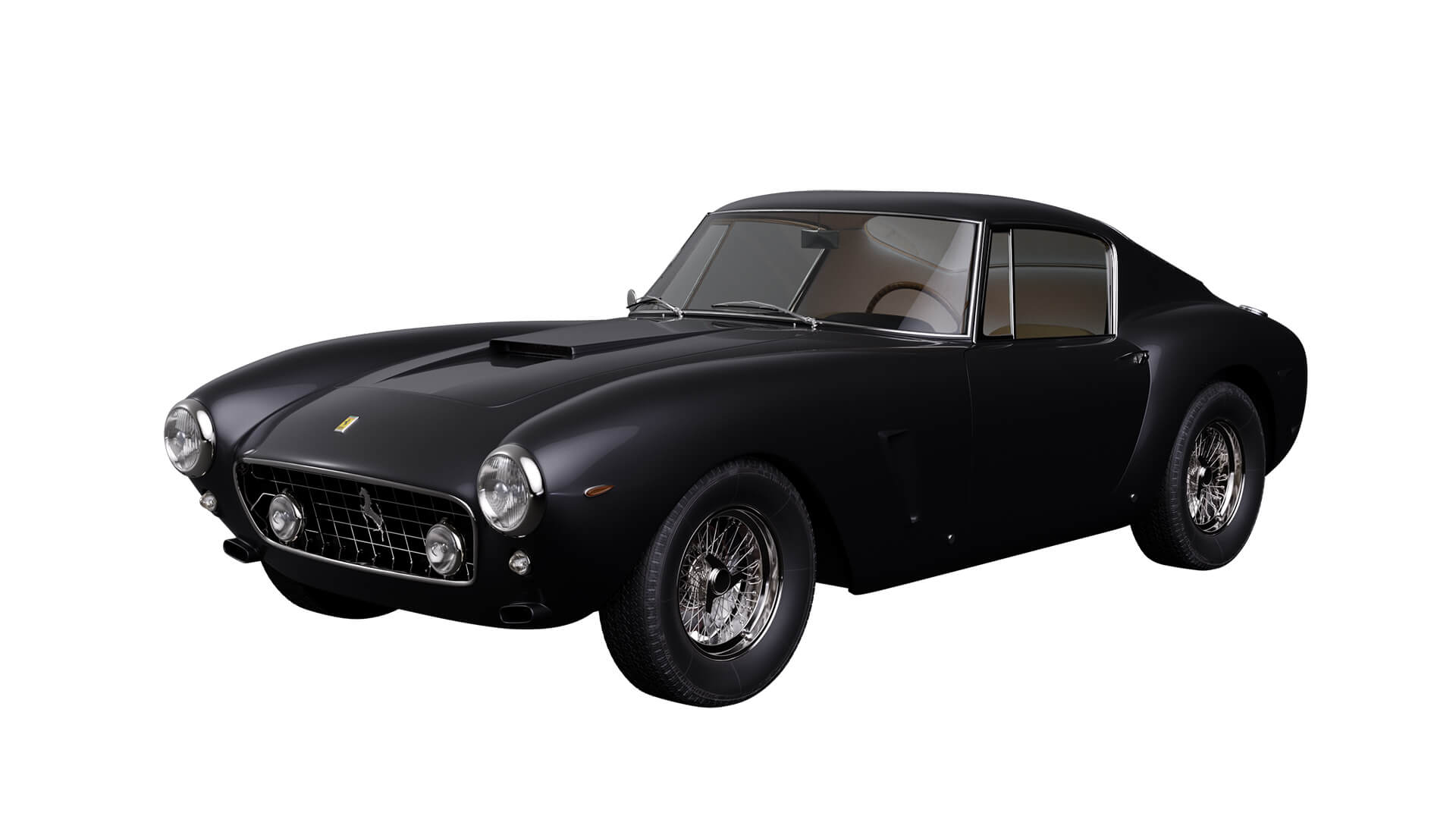
The same car on whiteThe scene from the top of this page, relit as a silo shot. One model, one afternoon, two completely different images.
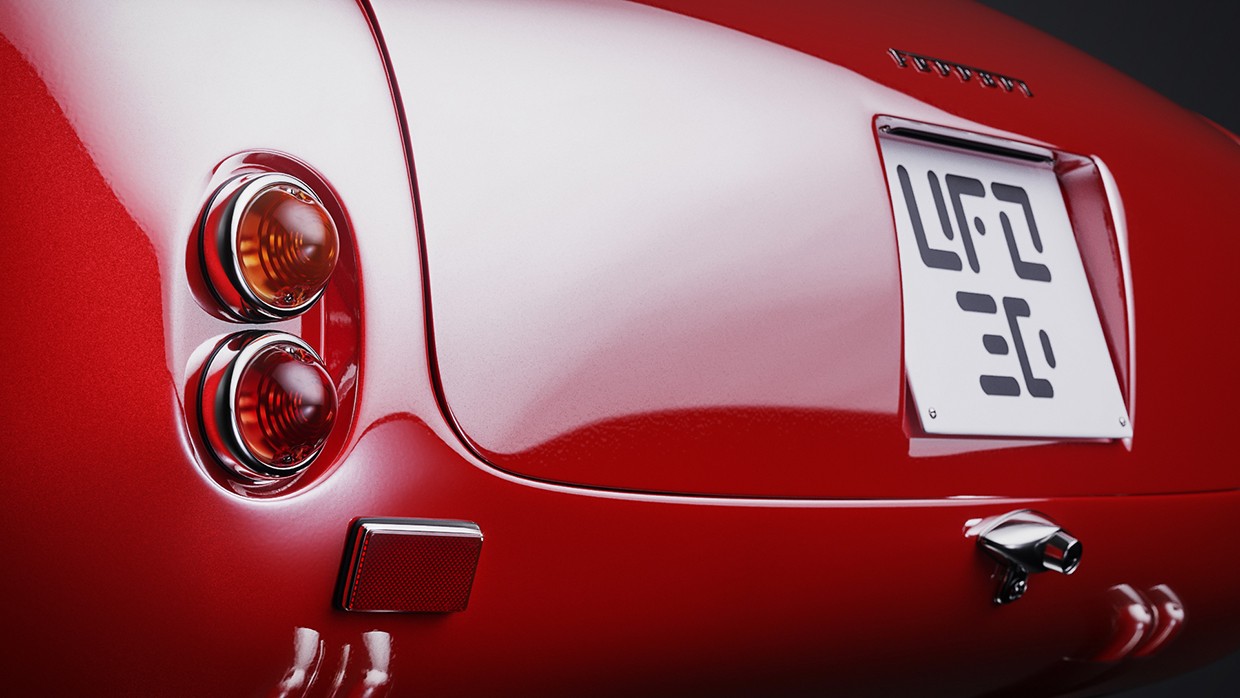
Macro on a painted surfaceClear coat over red paint, chrome trim and a glass lens. At this crop the reflections are what the eye checks first.
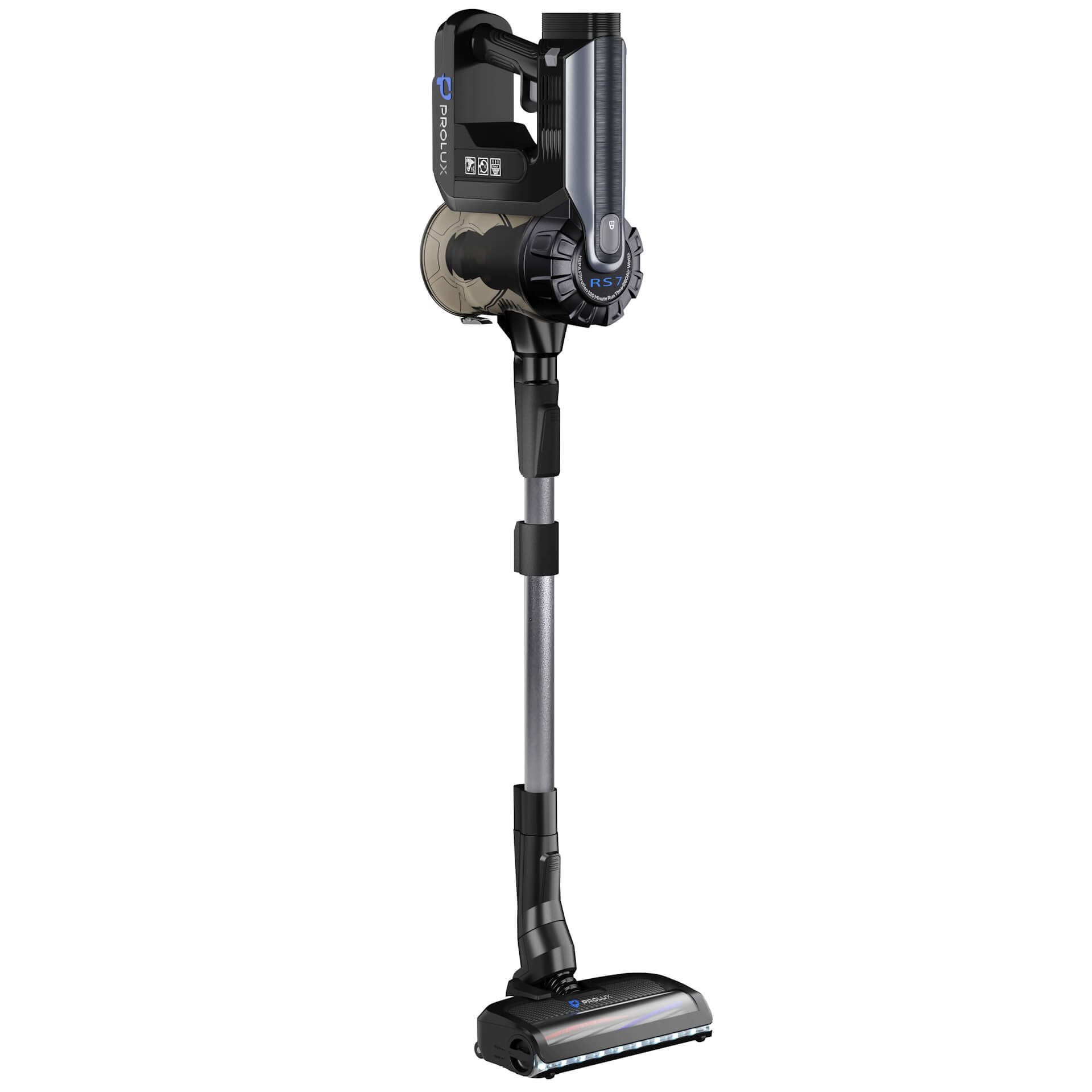
Retail silo setThe angle marketplaces ask for, on pure white, with the whole product sharp from handle to floor head.
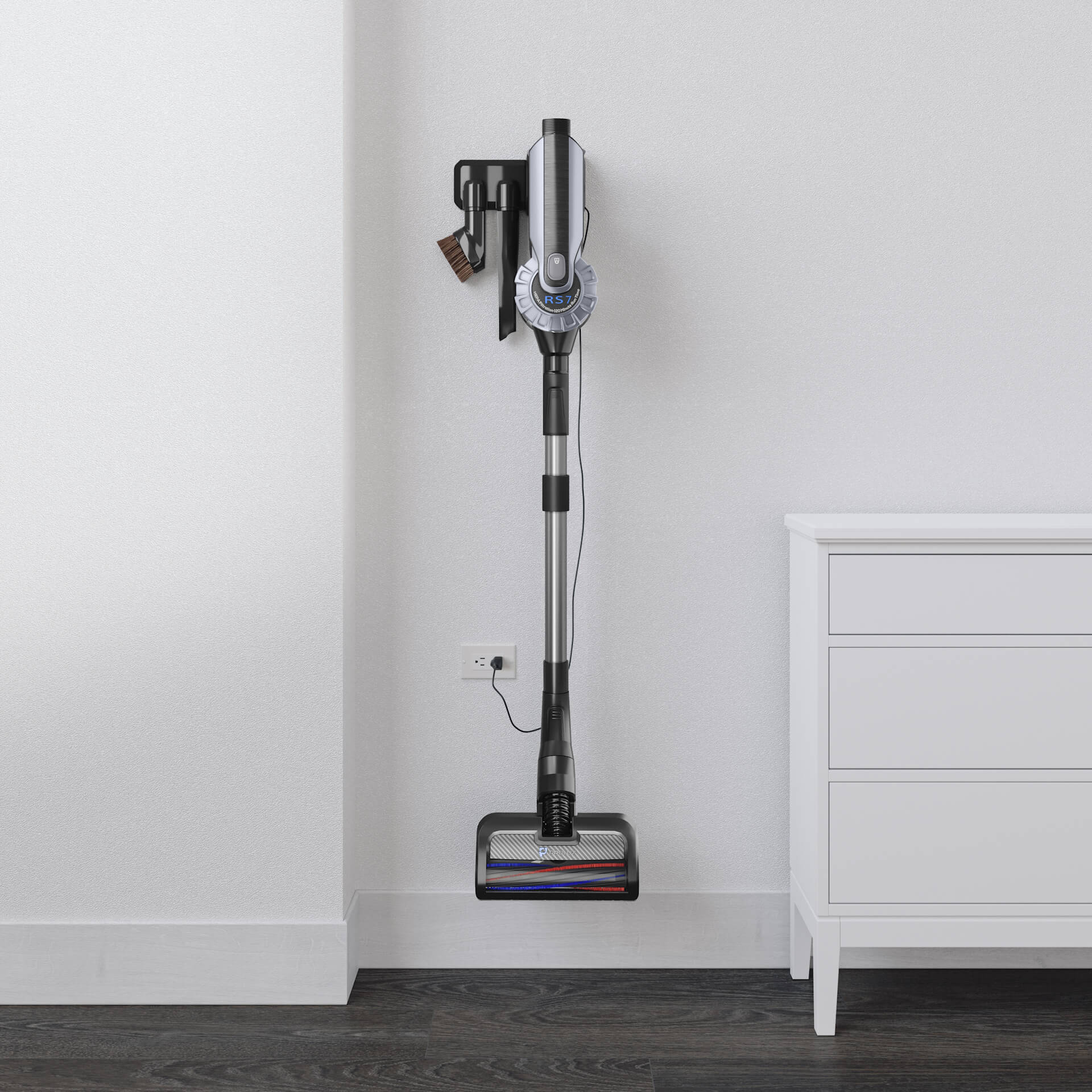
The same unit in a roomDaylight from a window, the dock on the wall, a floor that reflects just enough. No apartment was rented and no unit was shipped to it.
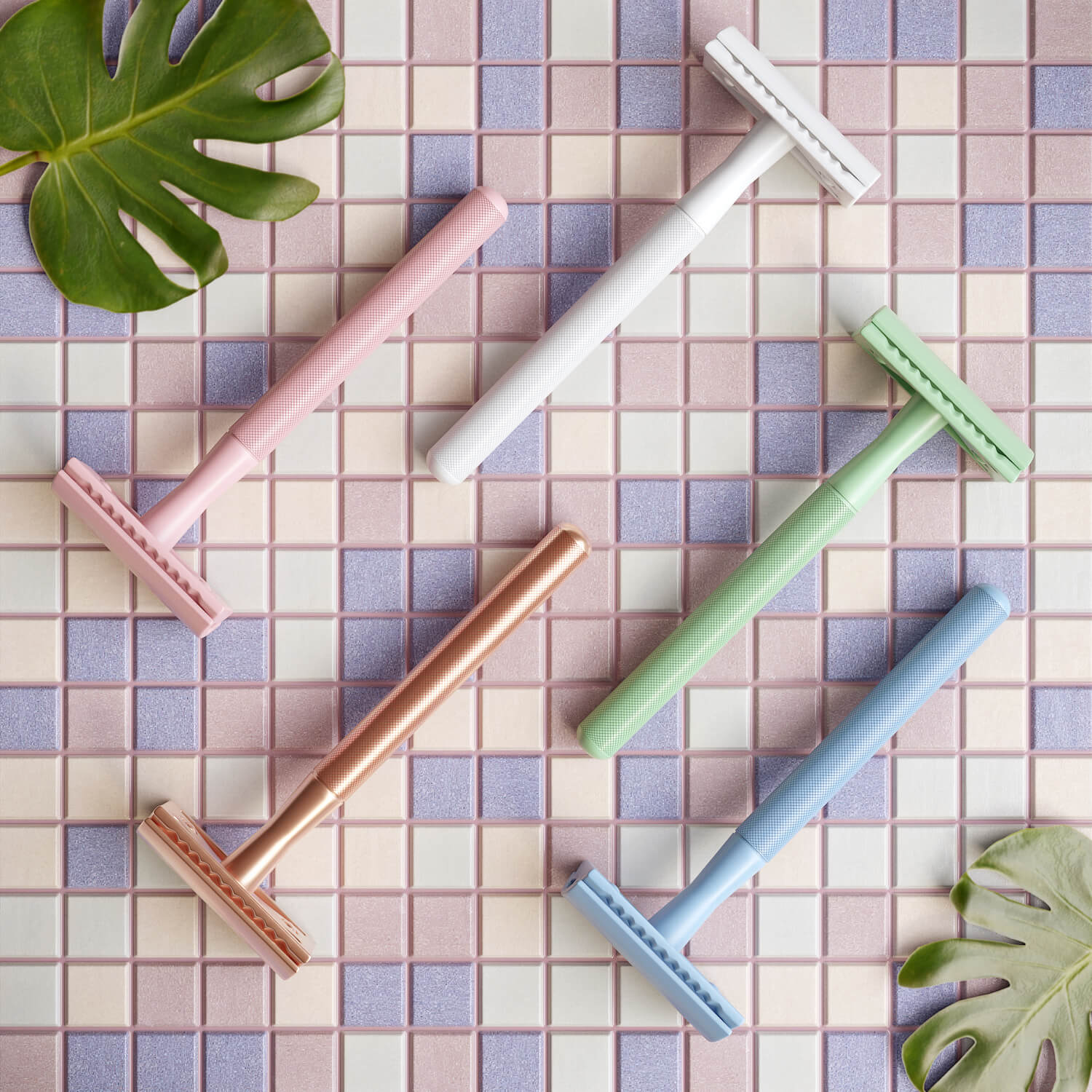
Styled flat layFive colourways of the same handle, laid out on tile with props. The set exists only as a file, so the next colour costs an afternoon.
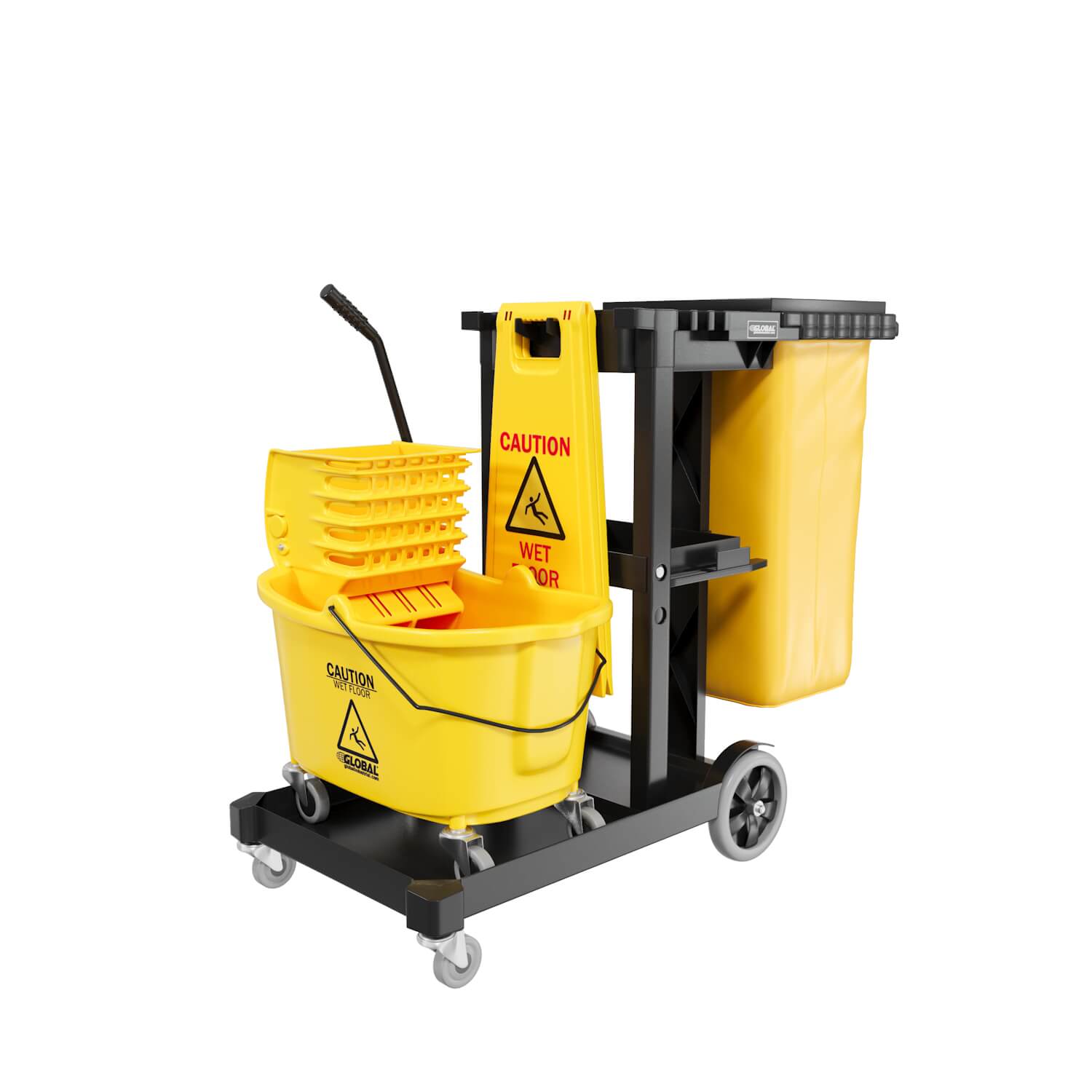
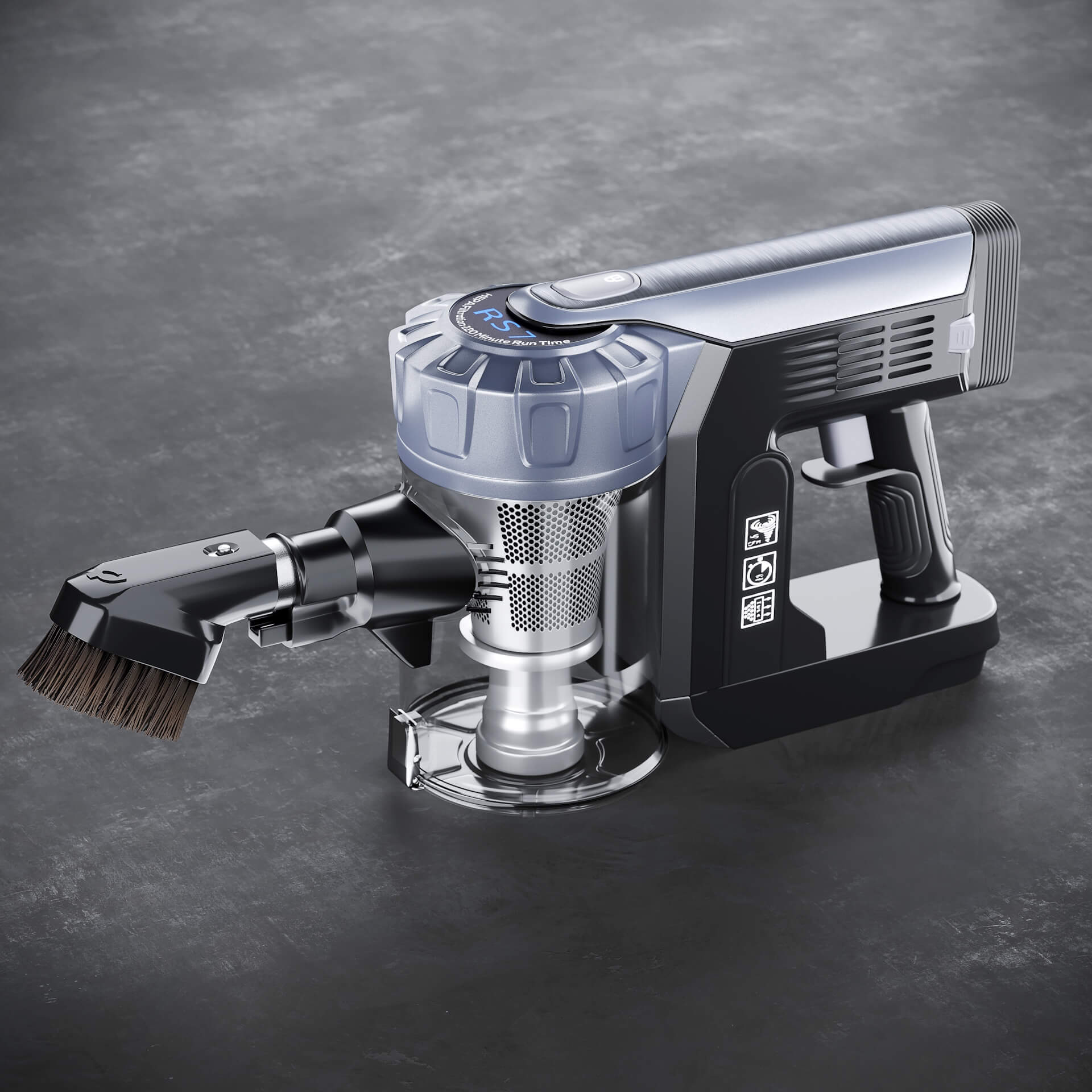
Equipment for a catalogueMoulded plastic, printed warnings and a lot of small parts, rendered at the size a spec sheet actually uses.
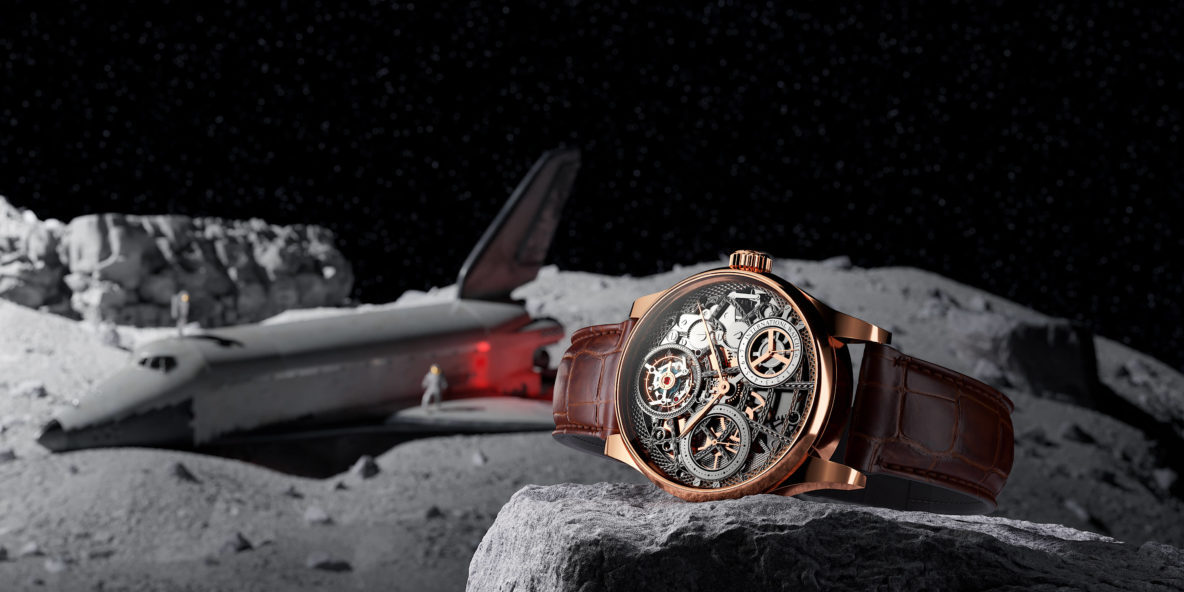
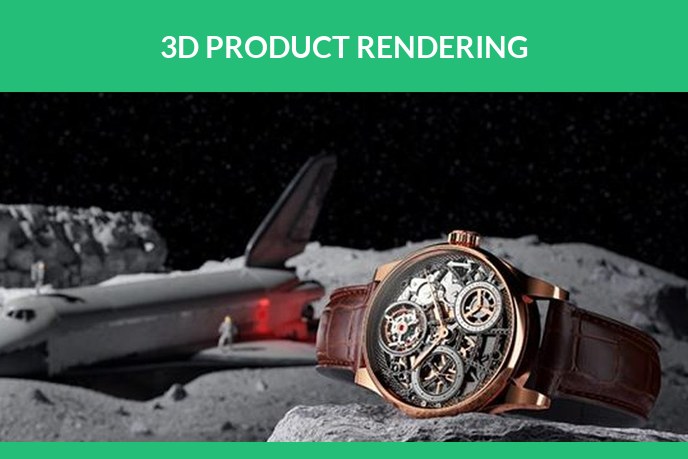
A watch on a set that does not existA skeleton movement under sapphire, on a moon that was modelled along with the lander behind it. The product and the place come out of the same scene.
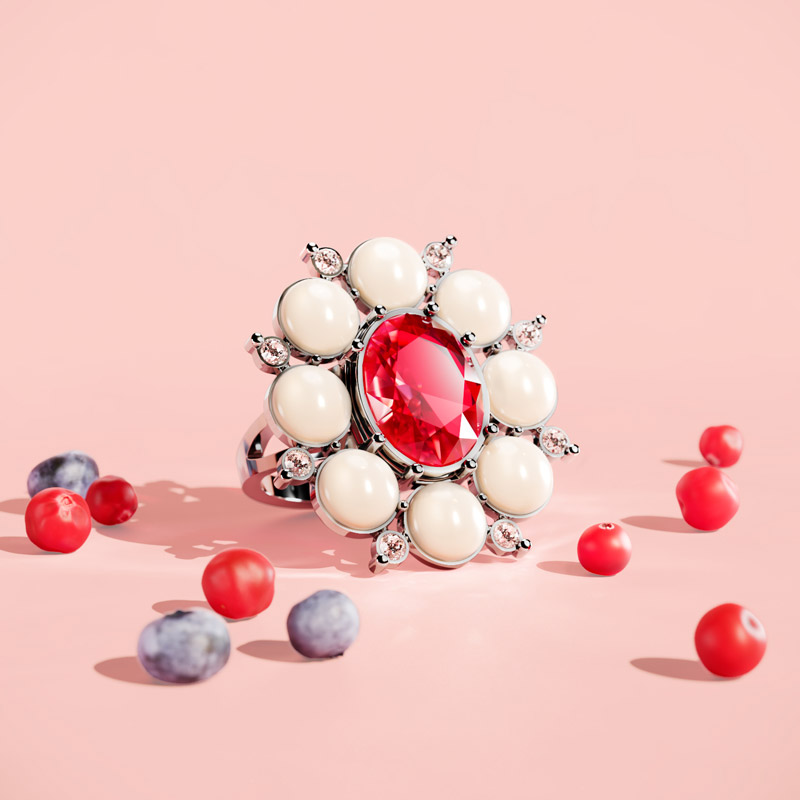
Jewelry with a set built around itA pastel set, berries as props and a stone that has to look cut rather than moulded. The whole scene is 3D, props included.
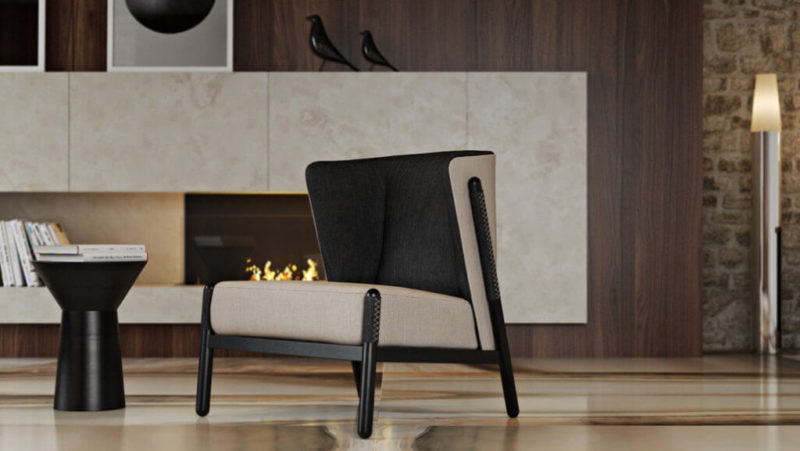
Furniture in a roomThe chair is the product, the apartment is built around it. Fire, daylight and the reflections in the floor come out of the same render.
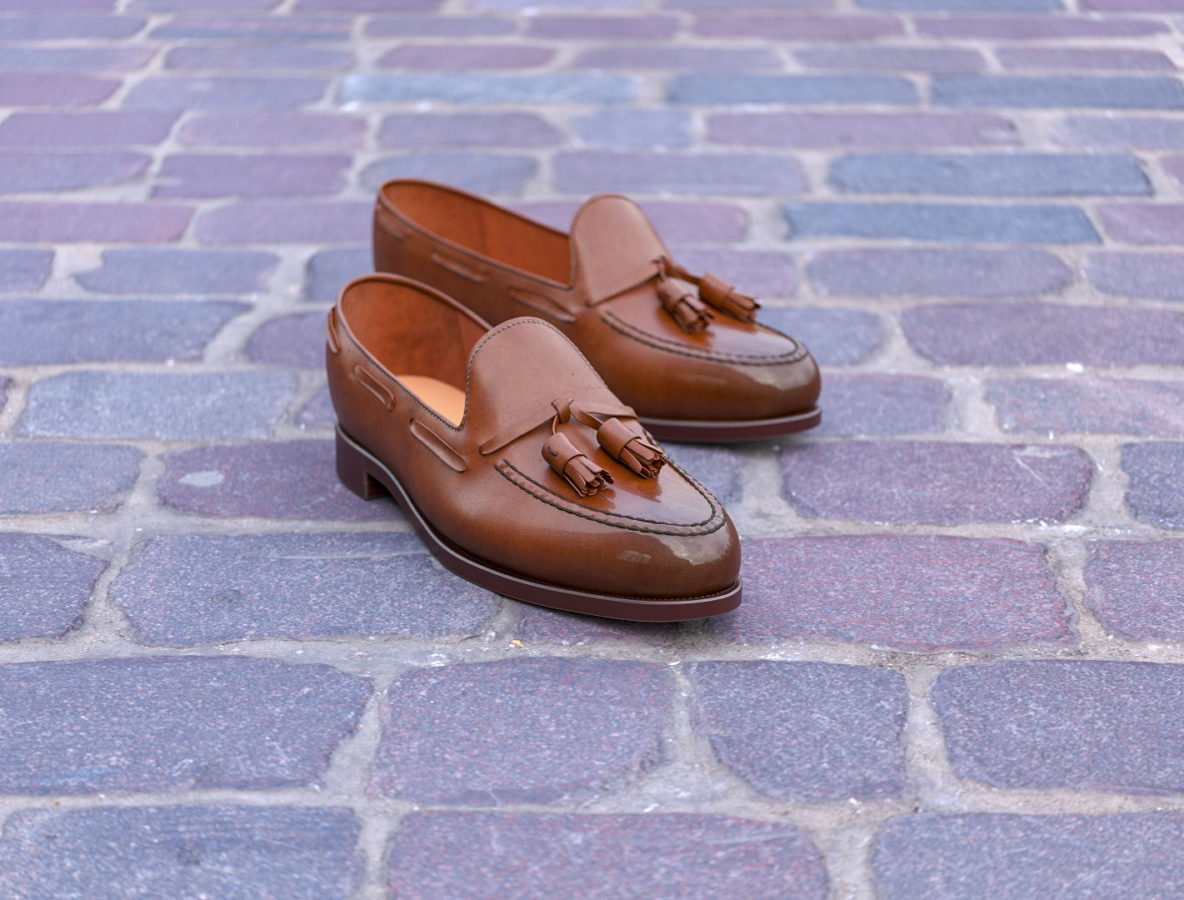
Footwear on locationFull grain leather with the creases a worn shoe has, on a street that was modelled rather than found.
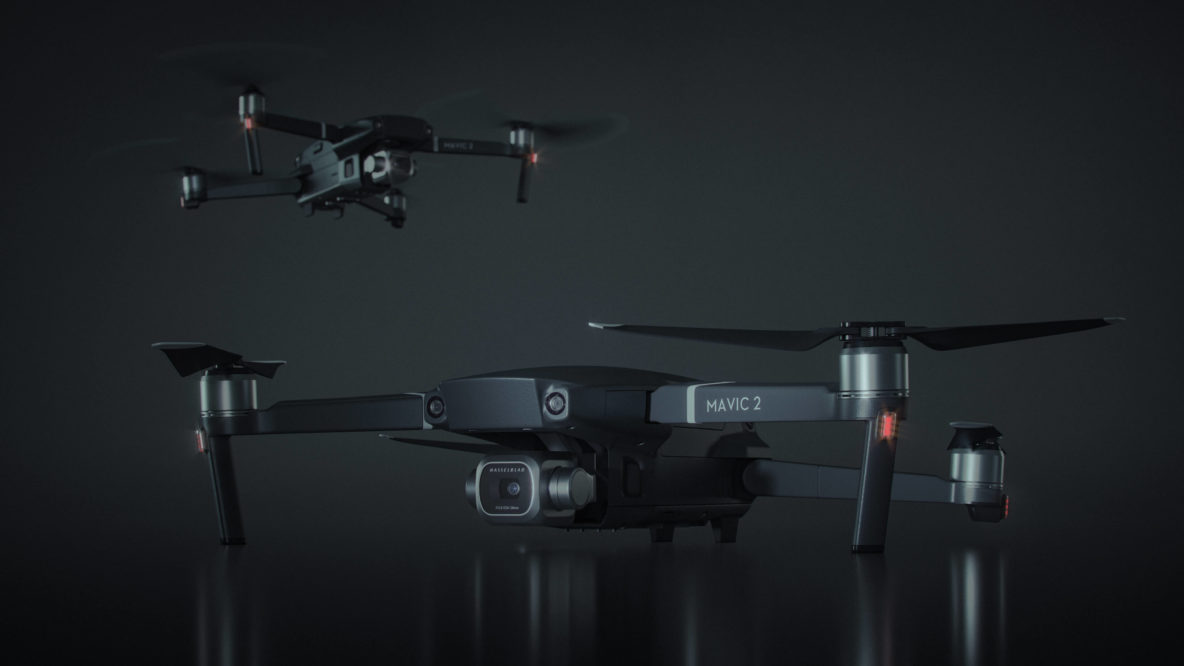
Electronics on a dark setMatte plastic, a glass lens and carbon arms. Dark sets are where cheap renders fall apart, because everything is edges and reflections.
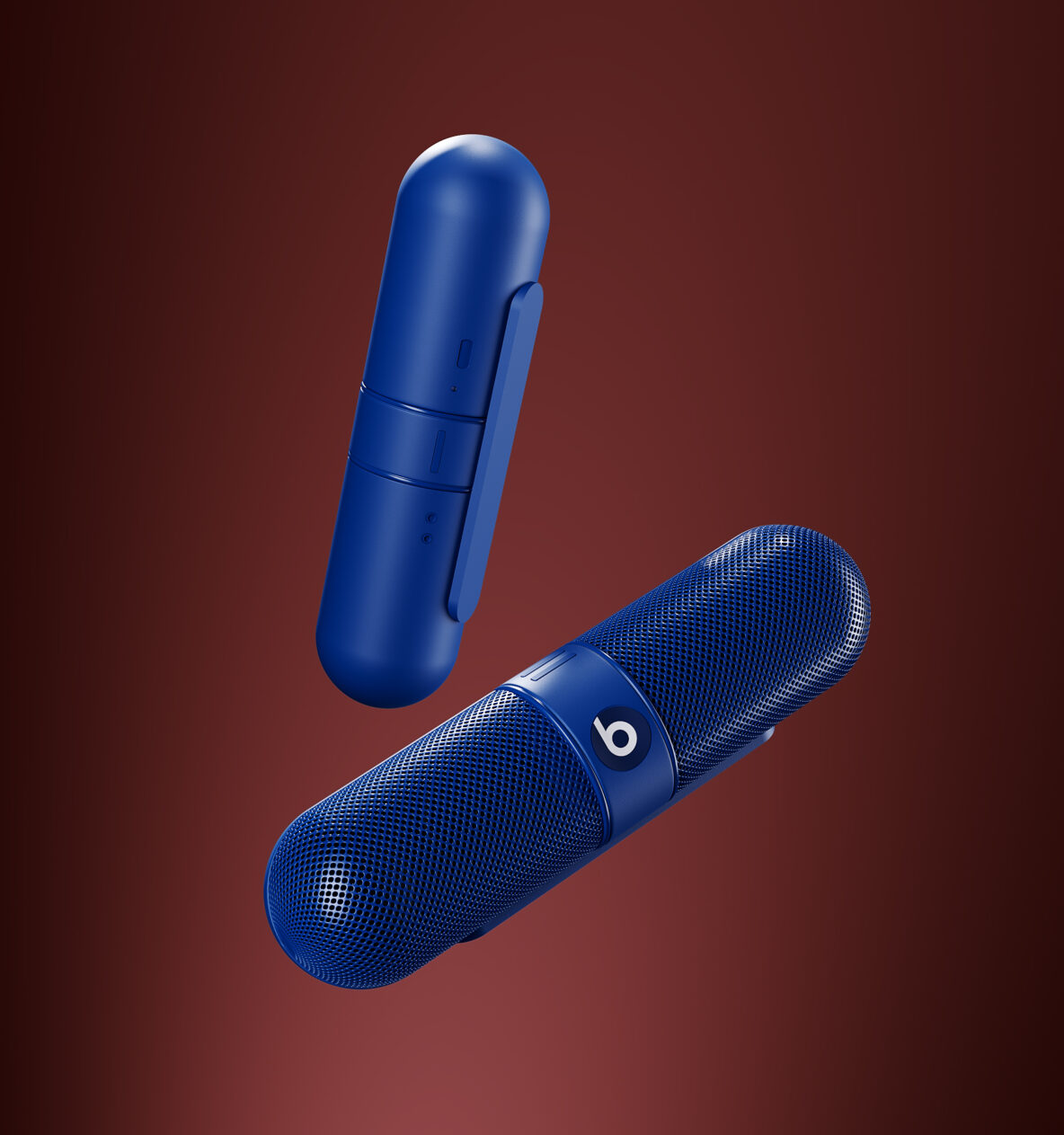
Colour led advertising shotA single product, two positions and a colour block behind it. The kind of frame a campaign needs and a studio charges a day for.
What makes a 3D render read as a photograph
Photorealistic product rendering comes down to a handful of habits. Buyers do not study renders, they glance at them, and something either feels off or it does not.
Rendering and modeling are separate stages and are billed separately. If the difference matters for your brief, we go through it in 3D modeling and rendering: what the difference actually is.
How a 3D product rendering project runs
Shot list
You send the angles, the formats and where the images will run. That list decides the quote more than the product does.
The model
You send your 3D file, or we build it from CAD, drawings or photos and send the geometry for approval first.
Look development
Materials and lighting on one test frame. The look is agreed on that frame before the rest of the set is produced.
The set
The full run of images arrives in the resolutions you asked for, sized for the shop, the marketplace and print.
Revisions
Two rounds of changes come with the project, not as an extra line at the end of the invoice.
Where these renders end up
The same set usually has to work in four places at once, so we deliver it sized for all of them.
- Product pages and marketplaces: silo on white, the angle count each platform asks for, transparent backgrounds when the template needs them.
- Campaigns and social: scenes and crops in the ratios each channel eats, built from the same file as the catalogue shots. Where the volume is high and the room does not have to be a real place, the background can be generated around the model in minutes instead of rendered.
- Print: catalogues, packaging and trade show panels at print resolution, prepared a day longer than web sizes.
- Sales material: cutaways, exploded views and comparison frames that explain a product a photograph cannot open up.
- Design and presentation: review frames while the product is still being decided, and pitch decks for retailers and investors that show a finished object months before it exists.
What 3D product visualization services cover
Stills are this page: CGI product rendering from silo to macro. The same model also spins, moves and stands in the buyer’s room, so 3D rendering for products, a spin and a film end up on one quote instead of four.
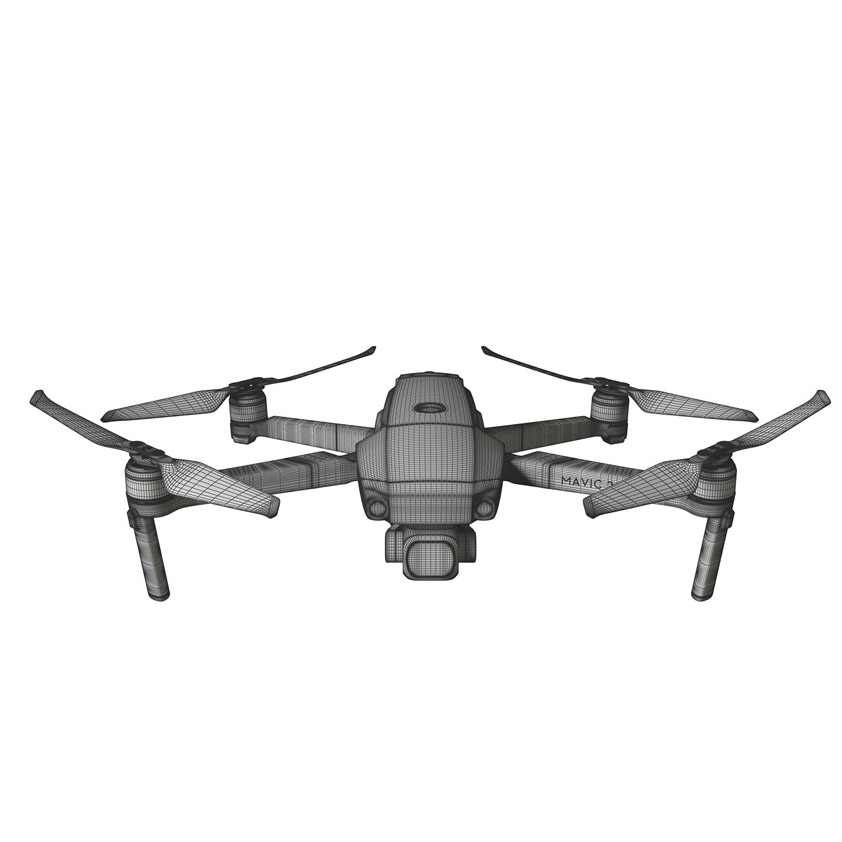
The model everything comes offThe drone further up this page, before a single material. Built once on 3D product modeling.
The same product, movingInside a filter, mid flow. What a still cannot open up runs on 3D product animation.
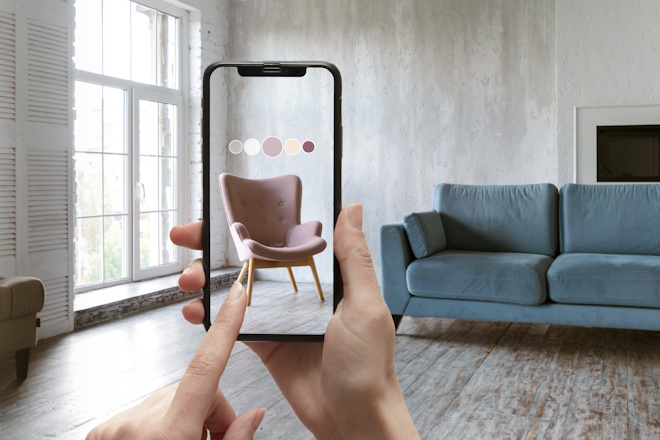
In the buyer’s own roomThe model exported light enough for a phone, at true size. Set out on AR product visualization.
360 product photography, rendered from the model
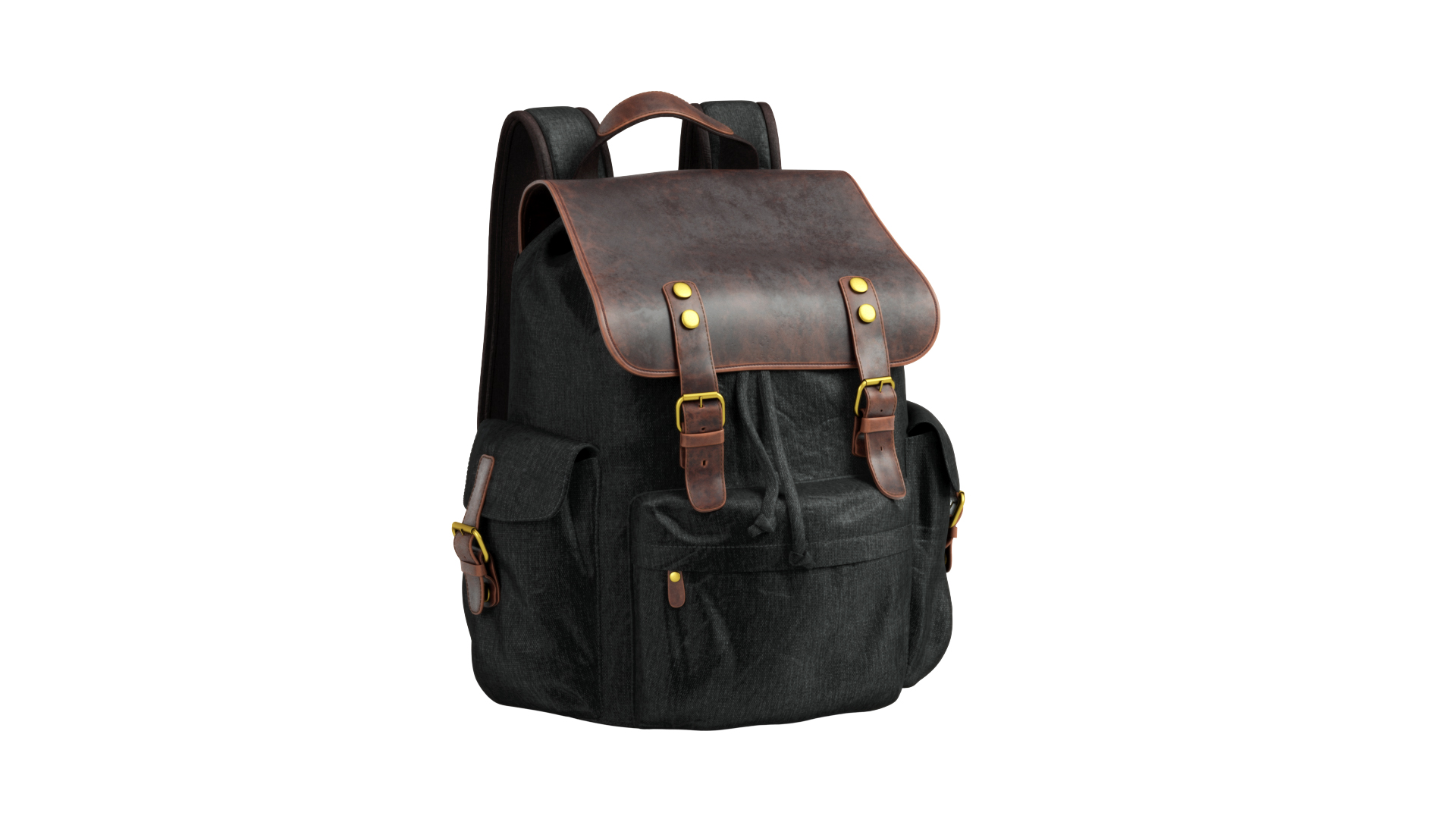
Drag the backpack. Those frames came off a 3D model, not a turntable.
- Frames, not a rig: 24 to 72 frames rendered from the model you already have.
- Every colourway spins: a second finish is a material swap, not a second shoot.
- Works before the product exists: a sample still in tooling can spin on the page.
Quoted on frame count, on top of the model. More in 360 product photography for ecommerce.
3D product rendering price and timing
Images are quoted per shot, and anything beyond the agreed package is billed at 20 USD per hour. The figures below are the starting points: a shot on a simple set costs what the table says, and a scene that has to be built from scratch is quoted on the hours it takes. For how this settles into a routine at catalogue volume, see a jewelry brand that renders five assignments a month. If the model does not exist yet, the modelling is quoted on top, which is the bigger part of a first project.
| What you order | Price | Delivery | What that looks like |
|---|---|---|---|
| A silo image on white | from $1 | 1 to 2 days | One angle, product only, ready for the shop and the marketplace. A single shot is around 20, and in a batch across a catalogue the per image price falls to about a dollar. |
| An image with a scene | from $120 | 2 to 3 days | A simple set starts there. A full environment, a street or an interior built from scratch, is quoted by the hour. |
| A new finish or colourway | from $60 | same set | A colour, fabric or print applied to the model you already have. |
| A full set for one product | from $360 | 3 to 5 days | The model, the finishes and the renders, quoted as one project. |
Delivery counts from the brief. Two rounds of revisions are included, and the files come in any resolution you name, for web or for print. If you are comparing product rendering companies, compare the hour rate and the revision policy rather than per image prices, because per image prices hide the scene setup. The full breakdown by product category is in the price list.
See the full price listRead more about product rendering
Three from our blog, for when you want the detail behind the service.
3D product rendering FAQ
Have a Question?
We will be more than glad to help. Just send us your project details and we will consult you on the best solution to choose or provide a lightning-fast estimation.