
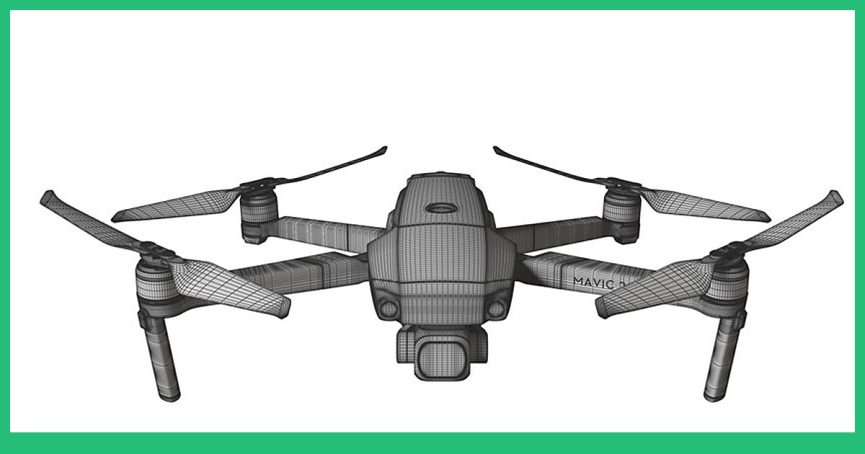
3D product modeling services
One accurate model, and every image after it costs a fraction. Our 3D product modeling services run on an in house team of 240 modelers, building your product in 3D from CAD, drawings, sketches or photos. Renders, 360 spins, animation and AR all come out of that single file, and the file is yours.
What we can build the 3D model from
Product 3D modeling is only as accurate as what it is built from, so the brief decides the price more than the product does.
CAD and STEP files
The whole geometry already exists. Going from CAD to 3D model is a rebuild rather than a conversion: every dimension is kept and what you get back is a clean render ready mesh.
Drawings with dimensions
Technical drawings in any vector format, or a sketch with measurements written on it.
Photos of a sample
Front, side and three quarter shots plus overall dimensions are enough for most products.
A physical unit
If a prototype exists, photos of it settle the details a drawing never shows: seams, textures, the way parts meet.
A concept or a sketch
Products that do not exist yet get modelled from the idea, which is how a launch image is ready before tooling.
A model you already have
A scan, a game asset or a supplier file can be cleaned up, retopologised and made ready for renders and AR.
What changes once you own the 3D model
- Every new angle is a new shoot
- A colour or finish change means shooting again
- No spin, no AR, no configurator
- The files sit with the studio that took them
- New angles cost render time, not a studio day
- Colours, finishes and prints swap on the same file
- 360 spins, animation and AR come out of it
- You own the model and every file it produces
This is the reason the model is worth more than the first set of images it produces. What you are buying is a digital twin of the product: one accurate file that every colourway, every modification, every still, every animation and every AR view is generated from. Build it once and the whole product page, the catalogue and the campaign run off it for years. A live example of that, metals and stone shapes generated from one approved file, is in our jewelry catalogue case study.
A few of the 3D product models we have built
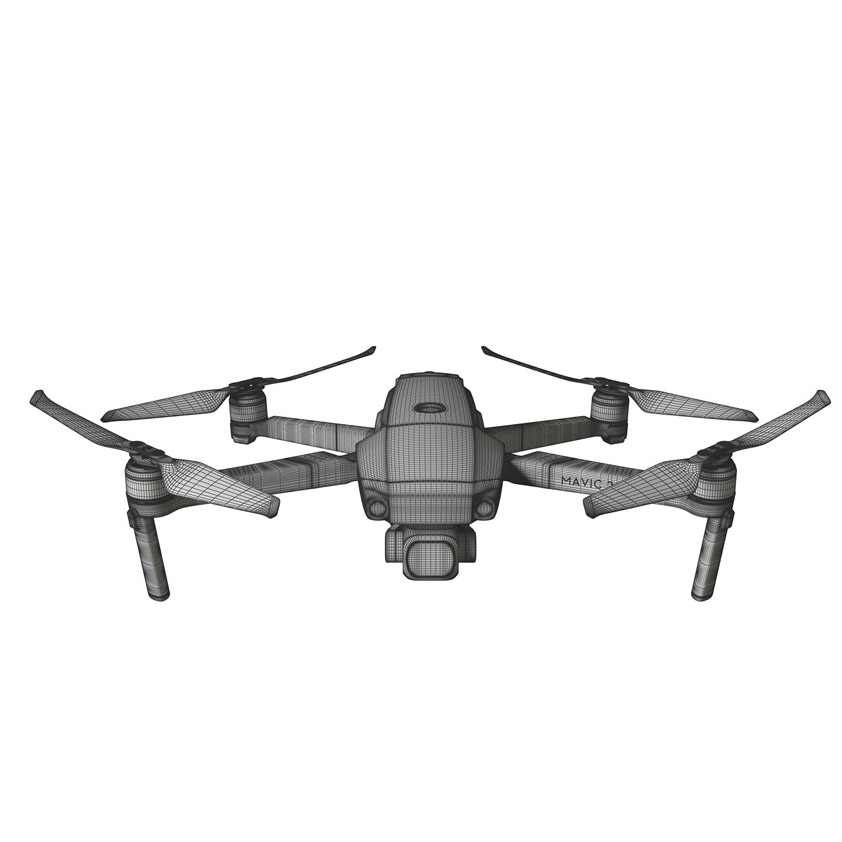
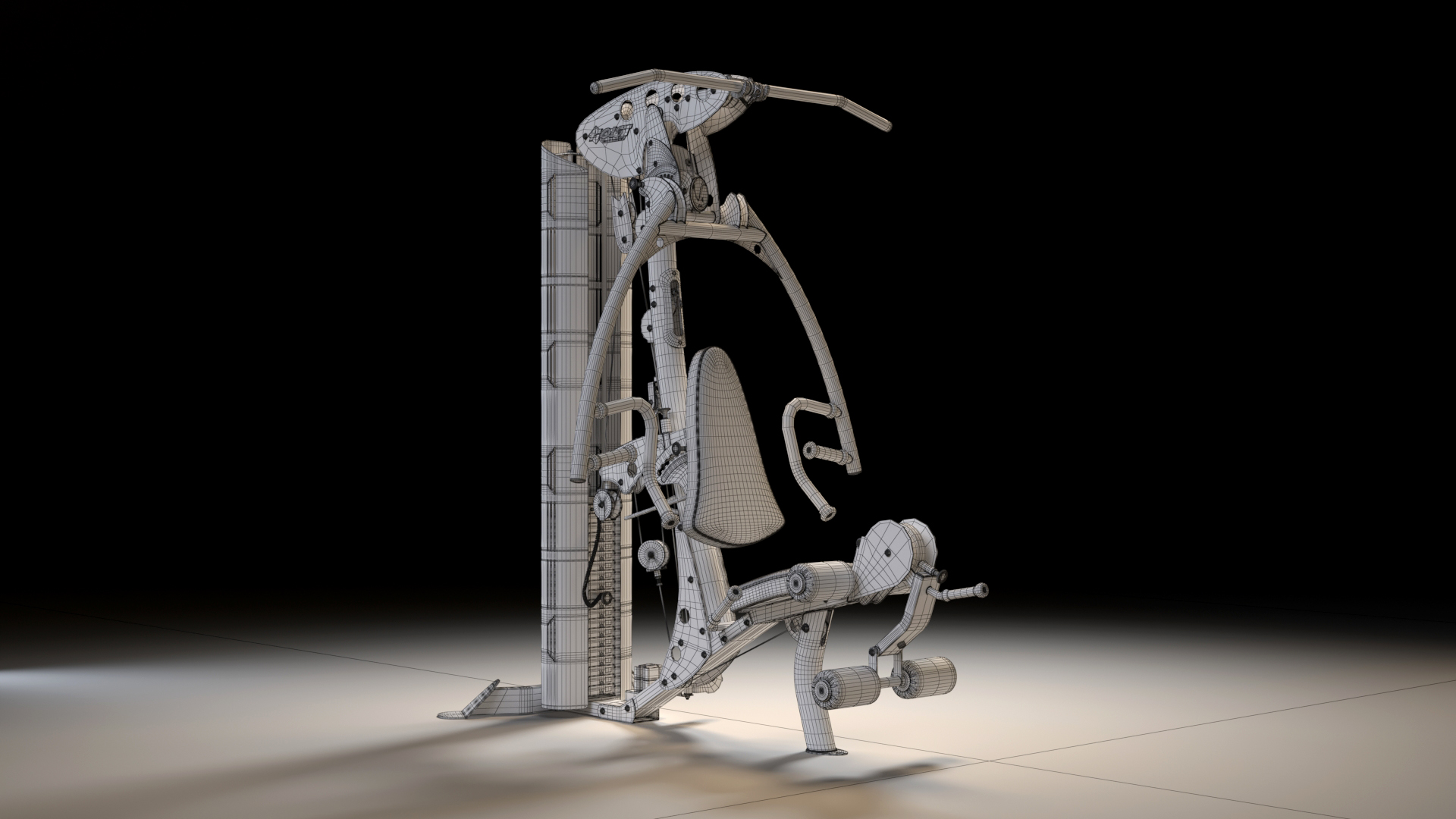
Geometry first, materials later: the wireframes and grey models below are the stage you approve before anything is rendered. Most projects stay under NDA, so this is a small selection.
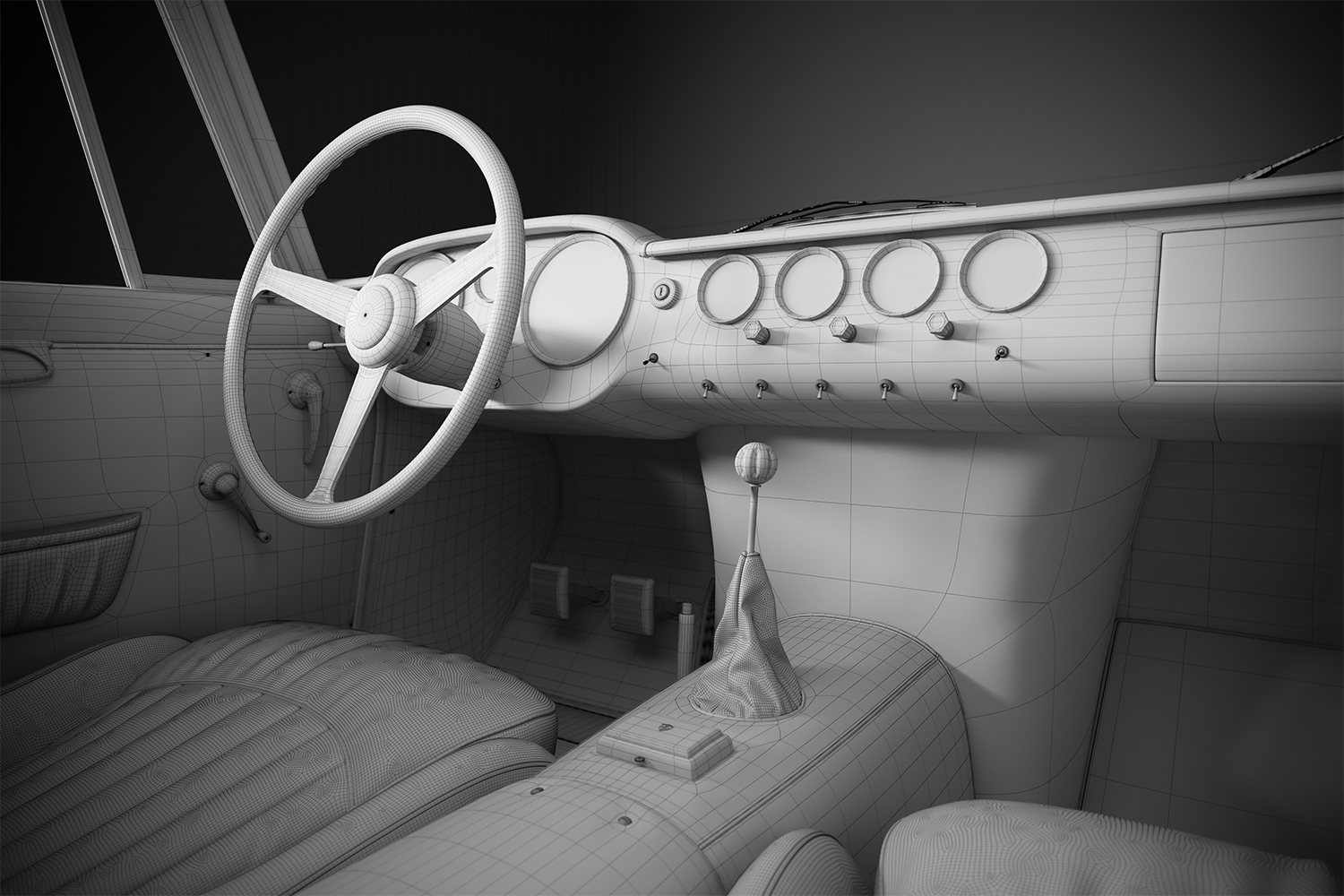
Car interior, wireframeDashboard, dials, upholstery and stitching, modelled as one scene. At this stage proportions and panel lines are still cheap to change, which is exactly why we send it to you before materials.
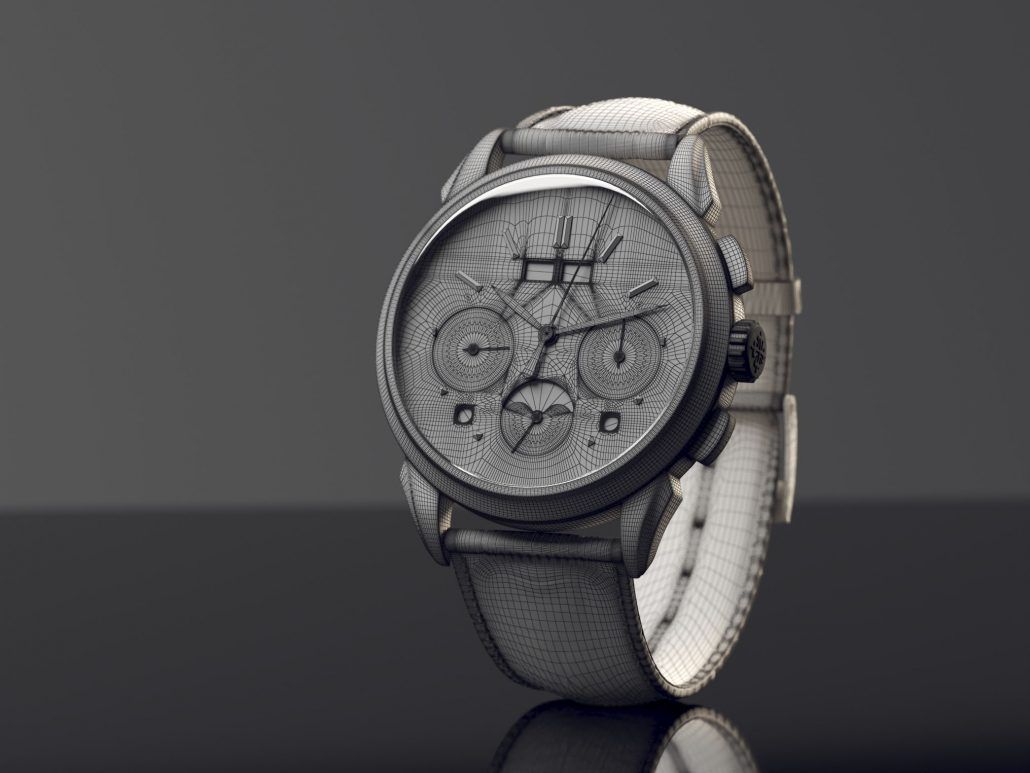
Watch case, grey modelCase, bezel, crown and the movement under the dial, built from drawings before a single material was applied.
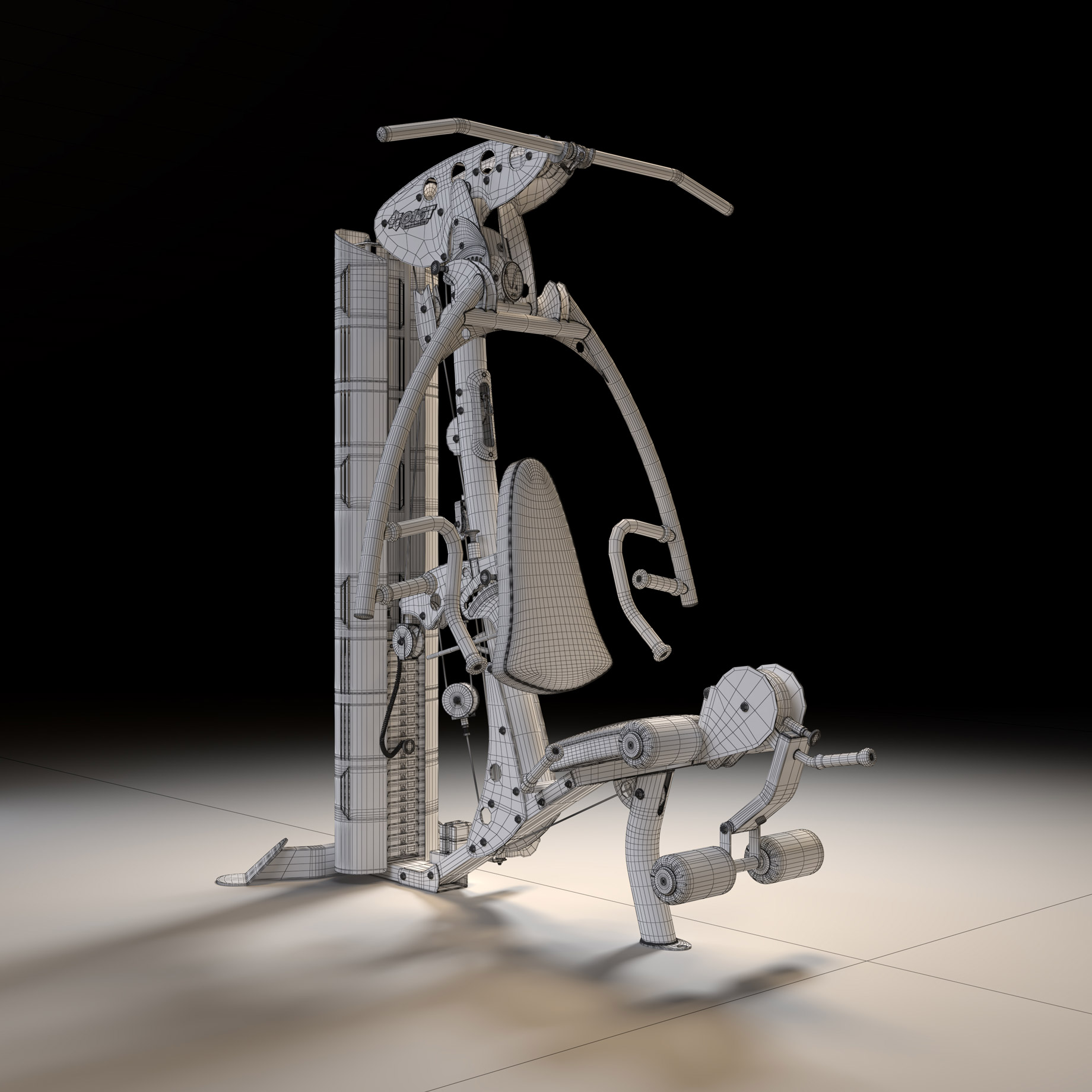
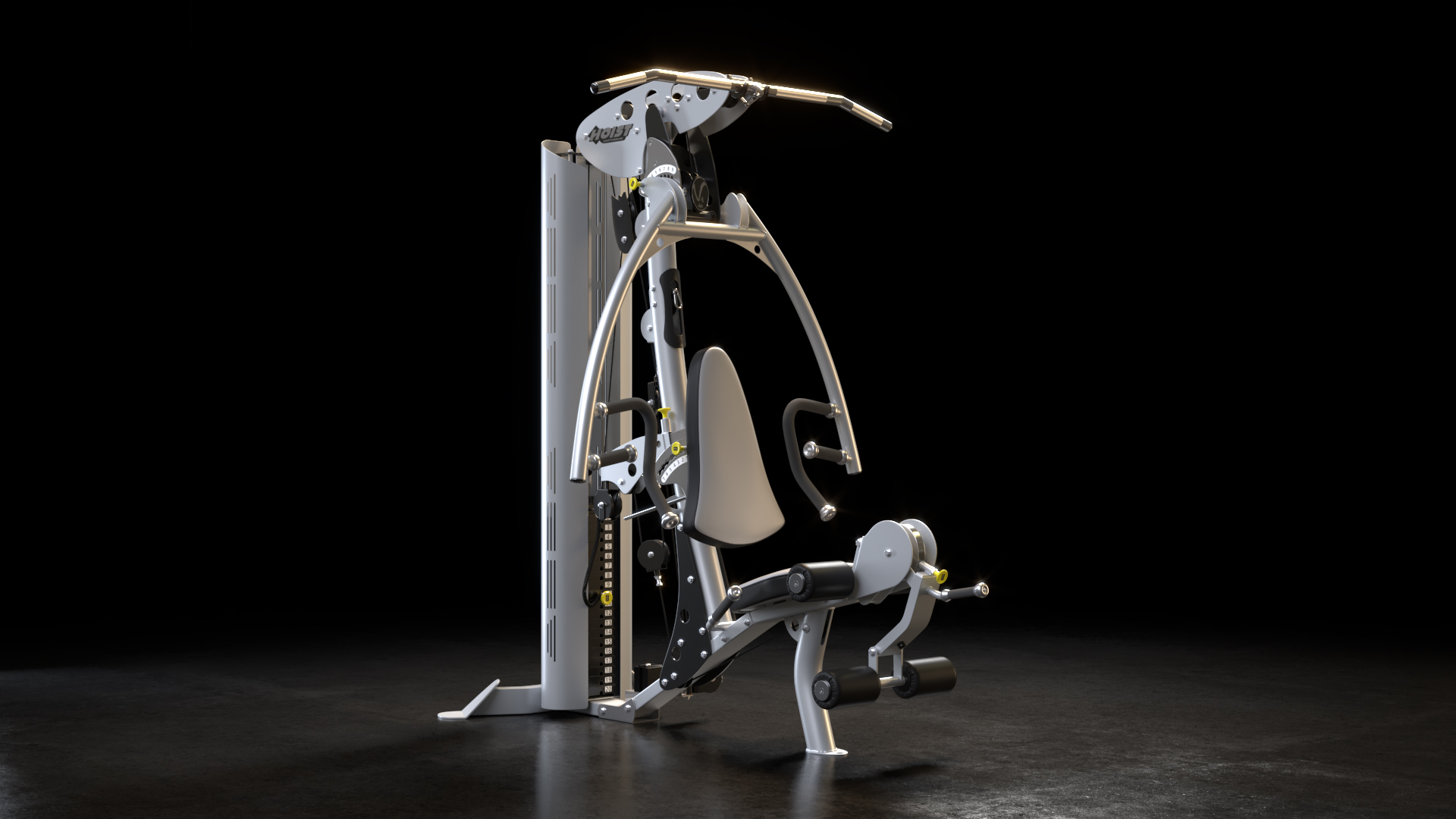
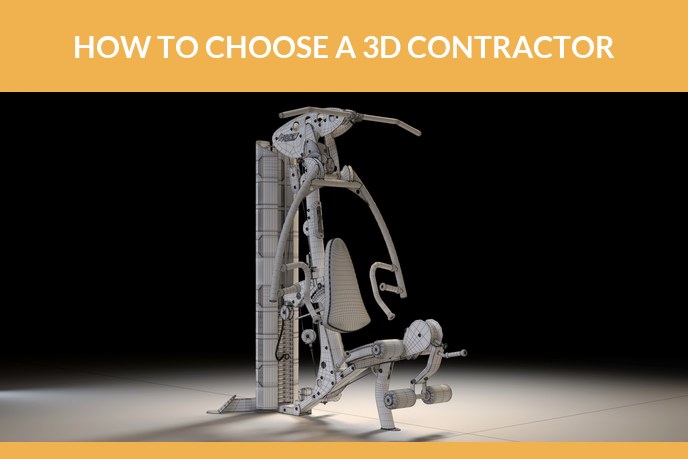
Gym machine, wireframeFrame, pulleys, cables and pads. Machines with hundreds of parts are quoted by the hour, which keeps the number honest.
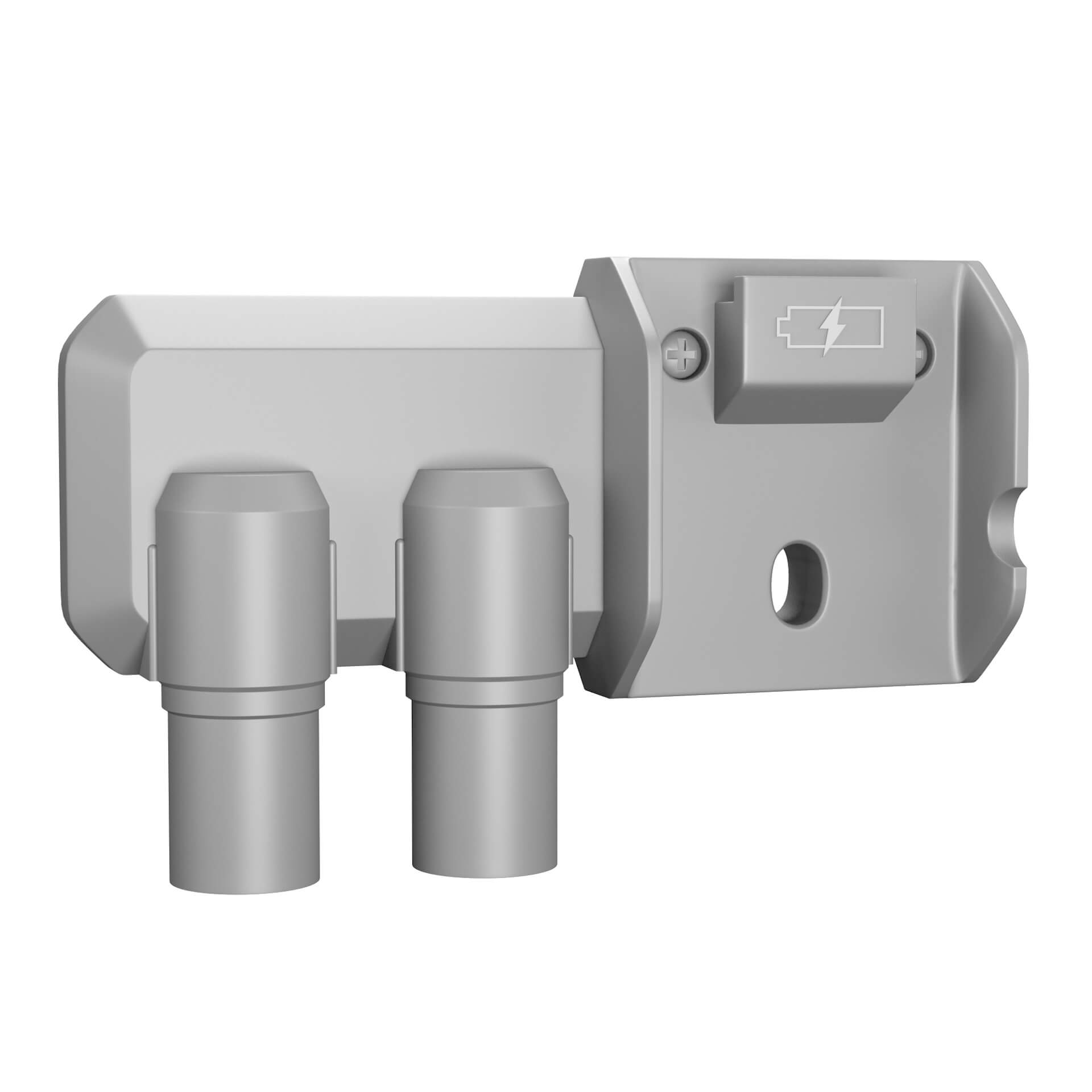
Grey model, no materialsEvery project stops here for approval. Shape, proportions and how parts meet, with nothing to distract from the geometry.
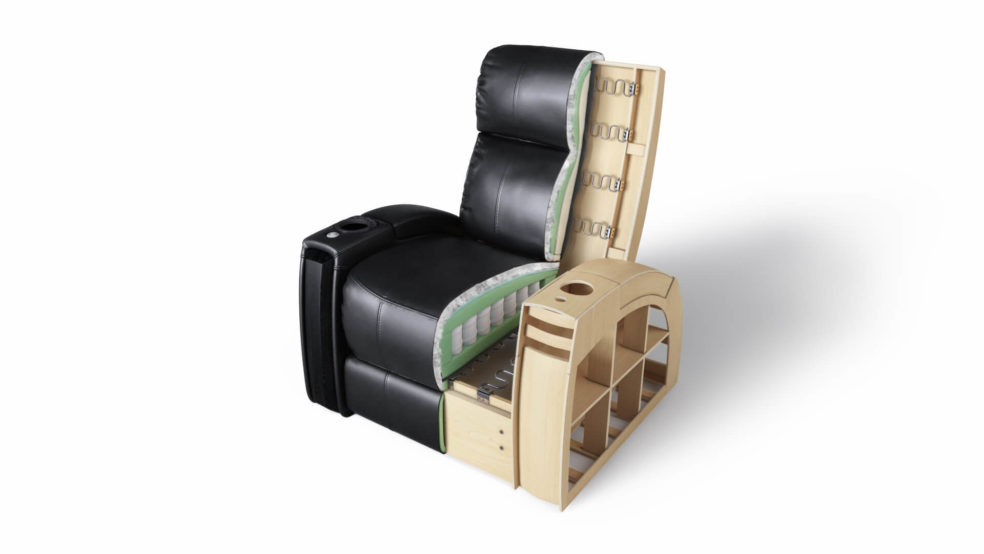
Built to be cut openThe recliner was modelled with its frame and mechanism inside, so a cutaway costs render time instead of a second project.
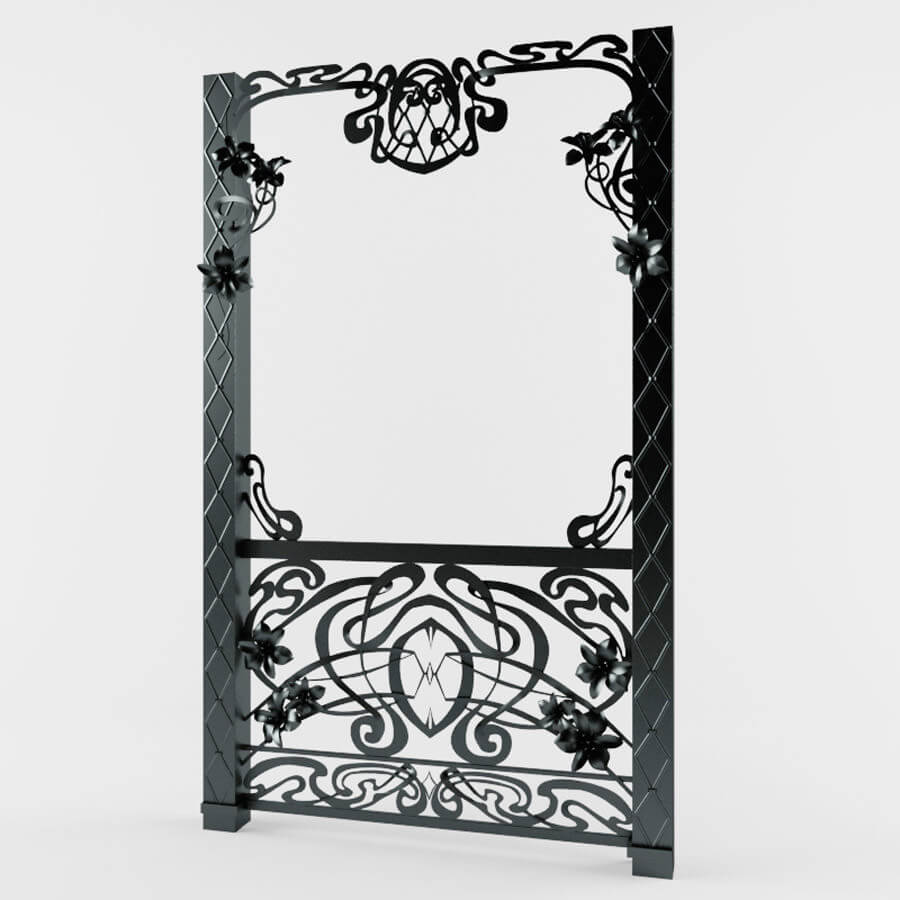
Ornamental metalworkScrollwork, castings and repeated flourishes. Ornament is slow to model and impossible to fake with a texture.
Laptop, the model itselfThis is the delivered file, not a picture of it. Drag to turn it, or open the page on a phone to stand it on your desk.
What makes a 3D model production ready
Photorealistic 3D modeling is not a render setting. A model that only looks right from one angle costs you the second time you need it.
Modeling and rendering are two different stages, and they are billed separately. We explain the difference in detail in 3D modeling and rendering: what the difference actually is.
The software behind the models
No single package covers a product catalogue. A rigid enclosure, a knitted fabric and a fur trim are three different jobs, and each has a tool that does it properly.
Hard surface and geometry
3ds Max, Maya, Blender. Enclosures, mechanisms, furniture frames, anything with edges and tolerances. This is where a CAD file or a drawing becomes a clean quad mesh built to real dimensions.
Organic, hair and soft goods
ZBrush, Ornatrix, Marvelous Designer, CLO. Leather grain and embossing get sculpted, fur and hair generated, and clothing, bags and upholstery built from the actual pattern and simulated, so the drape is real rather than an approximation.
Materials and real time
Substance Painter, Unreal Engine. Where the model gets its brushed steel, its worn edges and its print, and where it is checked in real time — the same conditions a configurator or an AR viewer will put it in.
How a 3D product modeling project runs
Brief
You send drawings, CAD or photos, the dimensions and where the model will be used. We come back with a quote and a schedule.
Grey model
Geometry only, no materials. You approve proportions, panel lines and the way parts meet while changes are still cheap.
Materials
Finishes, colours and labels on one test frame, so the look is agreed before the full set is produced.
Files
The model arrives in the formats you asked for, with a light version for web and AR when you need one.
Revisions
Two rounds of changes come with the project, not as an extra line at the end of the invoice.
Where the 3D model goes next
One model, and the rest of the marketing set is render time on top of it.
- Watches and jewelry: macro shots where the movement, the setting and the stones have to survive a full screen crop.
- Appliances and electronics: silo images for retailers, cutaways of the internals, room scenes and AR.
- Furniture and fashion: every fabric, finish and colourway from the same file, plus ghost mannequin and lifestyle sets.
- Lifestyle scenes at volume: with the model built, the room around it can be generated instead of rendered, so a campaign is prompt time rather than render time.
- Beyond images: 360 spins for the product page, animation, configurators, AR in GLB and USDZ, and files ready for 3D printing.
3D product modeling price and timing
Work is billed at 20 USD per hour, so the part count is the only thing that moves the number. The figure below is the model itself, not the images that come out of it later. It is also the honest way to compare 3D product modeling services: ask what an hour costs and how many hours your product takes, and any two quotes become comparable.
| What we are modelling | 3D model | Delivery | What that looks like |
|---|---|---|---|
| A simple part or a small piece | from $80 | 1 day | A bracket, a stool, a plain enclosure. About four hours of work. |
| A typical product | about $200 | 2 to 3 days | A portable speaker or a pair of earrings. Around ten hours. |
| A complex product | about $400 | 3 to 5 days | A coffee grinder, a ring with a stone setting, a machine with moving parts. |
| An ultra complex product | from $1,200 | 7 to 14 days | A watch with its movement, a lined leather jacket, a vest with webbing and patches. |
Delivery counts from the brief and includes the renders on white. The geometry goes to you for approval before any finishing work starts, and digital finishes and renders are quoted separately, a finish from about 60 USD and a render from about 20 an image. The full breakdown is in the price list.
See the full price listRead more about 3D product modeling
Three from our blog, for when you want the detail behind the service.
3D product modeling FAQ
Have a Question?
We will be more than glad to help. Just send us your project details and we will consult you on the best solution to choose or provide a lightning-fast estimation.