
Contents
A silo shot tells the buyer what the product is. A lifestyle shot tells them what owning it looks like. Same product, completely different job, and the second one is much harder to produce because it needs a place, a moment and a reason for the product to be there.
We are a CGI studio, so the second half of this page is about building those shots in 3D. The first half is about how they are made with a camera, because that is still the right answer in some cases and you should know which.
What lifestyle product photography is
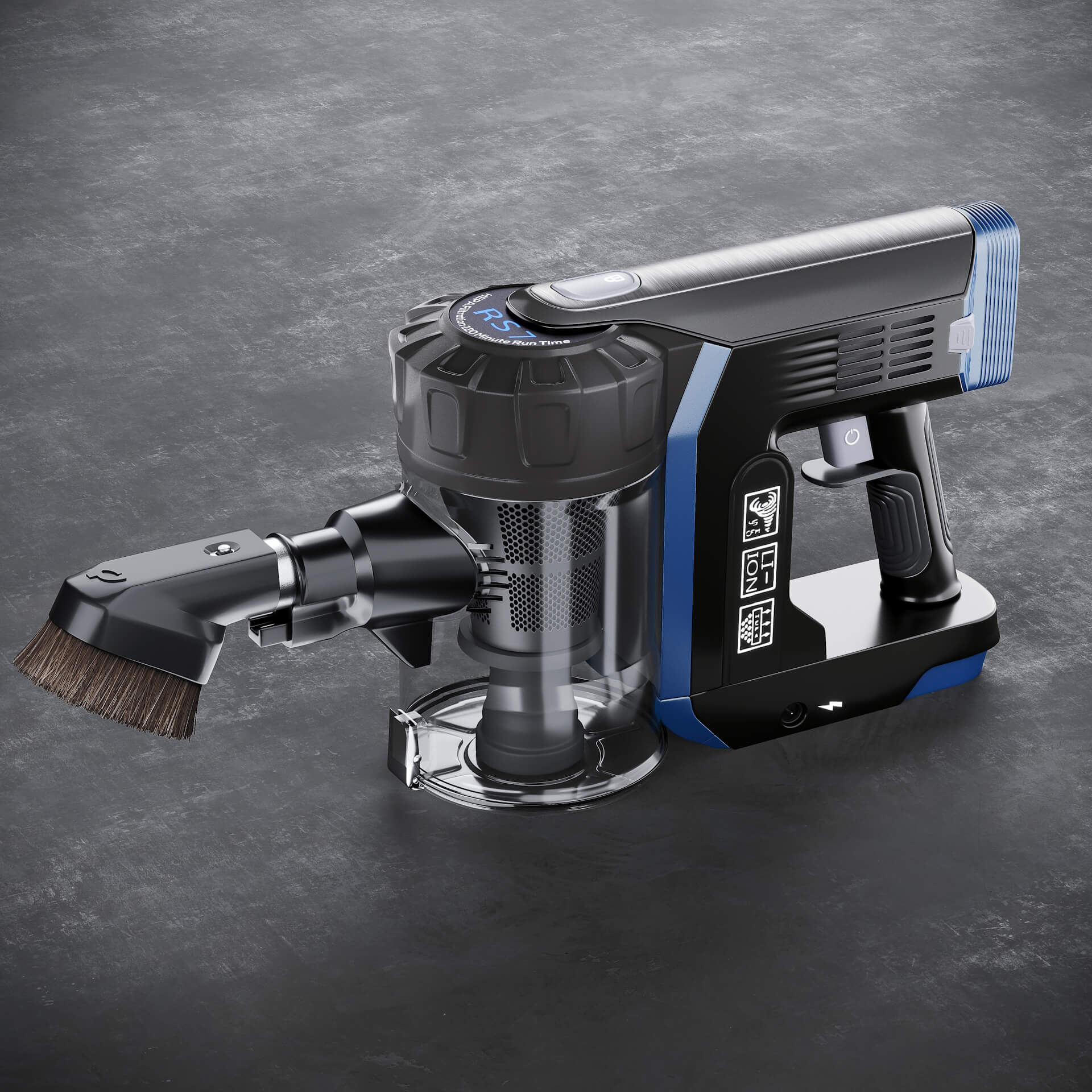
A product photographed in a context rather than against white. The context can be a room, a table, a pair of hands, a morning routine. What it is not is a product cut out and dropped onto a photo of a kitchen, which is the version buyers spot instantly.
| Silo on white | Lifestyle | |
|---|---|---|
| Answers | What is it | What is it like to own |
| Where it runs | Marketplace main image, grids | Gallery, ads, social, email |
| Cost driver | Number of angles | The set, the styling, the people |
| Reusable | Yes, across every channel | Ages with interiors and fashion |
What actually goes into the shot
The product is the smallest part of the budget. Everything around it is the job.
- A set. A corner of a real interior, a rented studio flat, or a built flat lay surface. This is usually the largest single line.
- Props and styling. A stylist sources and arranges everything that is not your product, and their taste is what makes the frame read as a home rather than a shop window.
- Light that looks like daylight. Usually shaped to imitate a window, because a lifestyle shot lit like a studio stops being a lifestyle shot.
- People, sometimes. A hand holding the product, or a full model. Adds casting, hair and makeup, and usage rights that expire.
- Retouching. Cleanup, colour matching the product to its real finish, compositing when the perfect frame does not exist in one take.
What a lifestyle shoot costs
Published rates, so the ranges are not guesswork. Squareshot puts standard product shots at 25 to 70 dollars an image and mid tier studios at 150 to 400 an hour or 1,000 to 3,000 a day. soona publishes 39 dollars a photo plus a studio fee, and puts a local freelance photographer at 1,000 to 2,000 dollars for a half or full day.
| Line item | Typical range | Notes |
|---|---|---|
| Photographer | 1,000 to 3,000 a day | Mid tier studio rate |
| Studio or location | 500 to 2,000 a day | Often billed separately |
| Stylist and props | Varies widely | Props are frequently bought, not hired |
| Model | Adds casting, hair, makeup | Plus usage rights with an expiry date |
| Retouching | A few dollars to 25 plus an image | Priced separately almost everywhere |
Lifestyle images sit at the top of those ranges, commonly from 100 dollars an image upward, because the set is built for them. The full breakdown of quoted versus actual spend is in product photography cost.
The same shot, rendered instead of staged
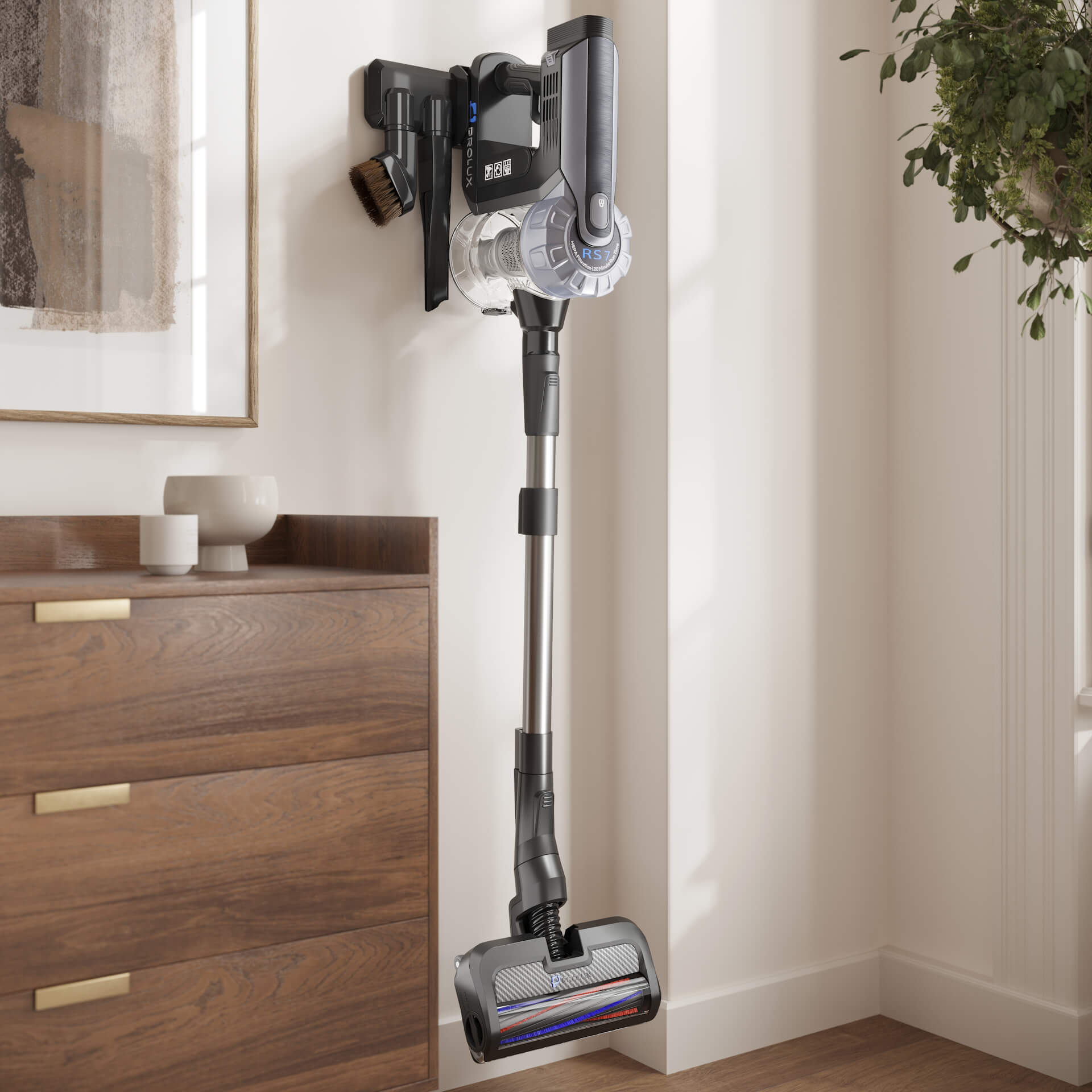
In CGI the set is modelled rather than rented. The room, the light through the window, the props on the shelf, all of it is built once and then belongs to you. What changes about the economics is what happens after the first image.
- The scene is reusable. A second product drops into the same room for a fraction of the first shot.
- Every colourway gets the same scene. Identical light, identical props, which is impossible to reproduce across two shoot days.
- Seasons are a settings change. The same living room in summer light and in December, without waiting for December.
- Nothing ships. No sample sent to a studio, which matters most for furniture and appliances.
- It works before production. The product can sit in a styled kitchen while the first unit is still in tooling.
Our prices for this: an image with a scene from 120 dollars, a new colourway on an existing scene from 60, a full set for one product from 360. How the images themselves are built stage by stage is in 3D product images.
When to shoot and when to render
| Situation | Better answer | Why |
|---|---|---|
| One hero image, product exists, no variants | Shoot it | A day with a photographer is simply cheaper |
| A person is the subject, not the product | Shoot it | Faces and skin are where CGI still costs more than it returns |
| Food, steam, anything that only happens once | Shoot it | Renderable, rarely worth the hours |
| Many colourways in the same scene | Render it | The scene is built once and reused |
| Furniture or appliances | Render it | Shipping samples to a set is the hidden cost |
| Product not manufactured yet | Render it | There is nothing to photograph |
| Seasonal refreshes every year | Render it | You are paying once for a set you keep |
Where the render column wins often enough, it is worth reading how the switch actually works: virtual product photography covers the workflow, what it needs from you and where it stops being cheaper.
Briefing either one
The same brief works for a photographer and for us, which also makes the two quotes comparable.
- Three or four reference images of the mood you want, and one you dislike with a line on why.
- Where each image will run, since a Pinterest crop and a hero banner are different frames.
- Every variant that needs the same treatment.
- Whether people appear, and whether their hands or faces are in shot.
- The product itself: dimensions, materials, and for us the CAD file if one exists.
FAQ
If you are weighing a shoot against a rendered set, send the product list and the references you like. We will say which route is cheaper for your case, including when that answer is a photographer.

Ian Diev
Content Writer, Editor
Ian loves writing about innovative 3D technologies and their impact on architecture and design. In his spare time, he makes indie music, watches obscure movies, and cooks culinary masterpieces for friends.