
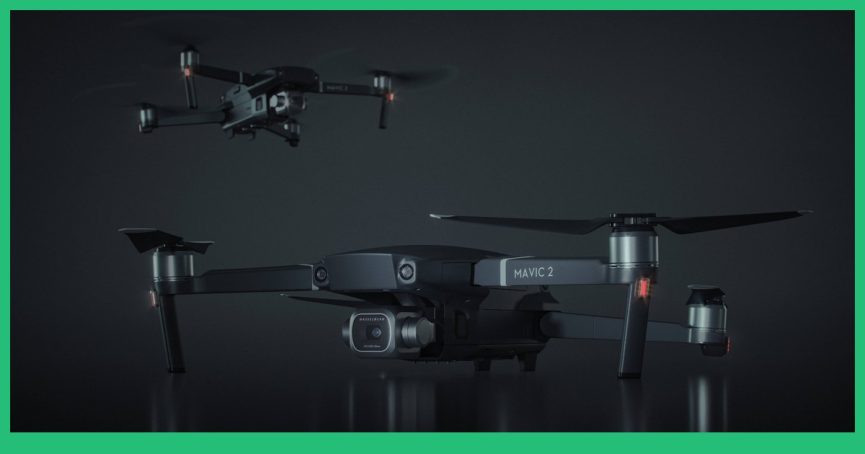
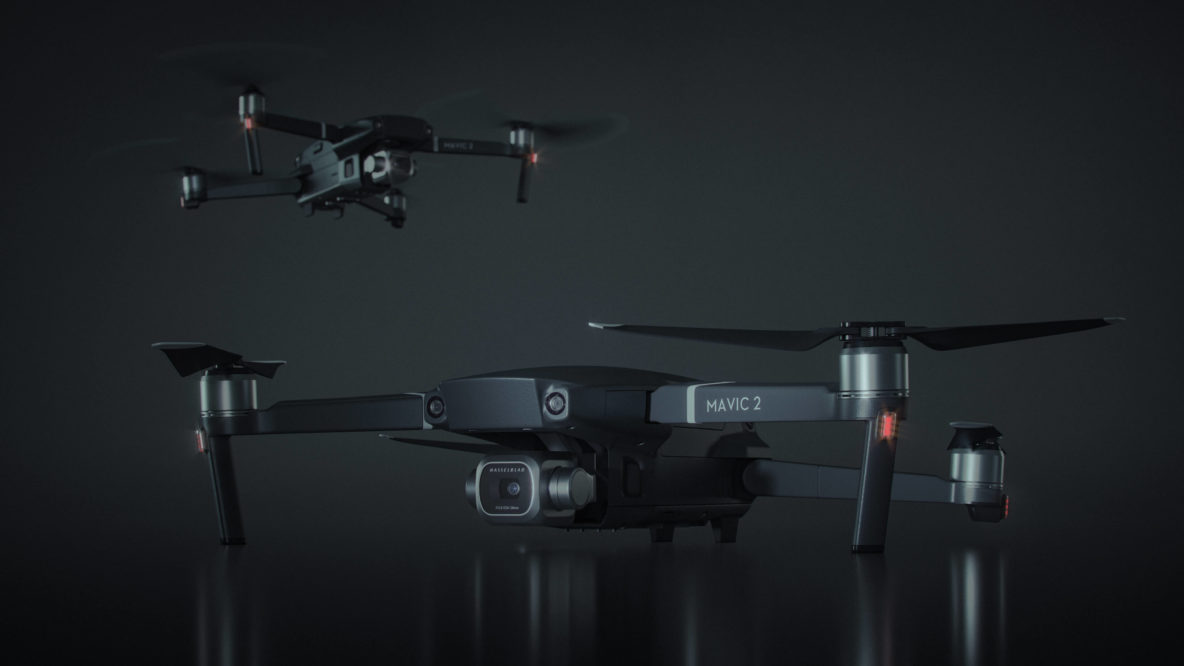
Electronics 3D modeling and rendering for product launches
Launch imagery from CAD, months before the first unit exists. We build the device in 3D from your engineering files, then render listing shots, exploded views that explain the tech, lifestyle scenes and AR files for the product page.
What an electronics 3D modeling project gives you
Every electronics project grows out of one asset, the 3D model of the device itself.
The 3D model
Housing, buttons, ports, lenses, grilles and the seams between them, built to your engineering dimensions.
Listing shots
Clean renders on white for Amazon, the retailer and the spec sheet, in every angle the listing template asks for.
Exploded views
The sensor, the board, the battery. The way to explain what a buyer is paying extra for.
Lifestyle scenes
The device on a desk, in a hand or under water, with no location, no talent and no shipping.
360 spin and animation
How it folds, how it mounts, how the parts move. Motion answers questions a photo cannot.
AR and real-time files
GLB and USDZ for the product page, and optimised game ready meshes for configurators and apps.
Why electronics brands choose 3D rendering over a photoshoot
- Waits for a prototype that looks presentable
- Glossy plastic and glass mirror the studio
- Every colour and every bundle is another session
- Nothing can be shown with the housing open
- Starts from the same CAD the factory uses
- Every reflection is placed on purpose
- Colours and bundles come out of one model
- The inside is already there, so exploded views cost nothing
Electronics launch on a date, not when the samples arrive. Rendering from CAD is what lets the campaign, the packaging and the retailer listing be ready on the day the product is announced.
A few electronics 3D modeling and rendering projects
A few of the ones we can show, since electronics work is usually under NDA until the launch. Each device below was built from engineering files and lit in a scene made for it, and some existed only as CAD when the images were made. A cordless drill built from a single catalogue photo is shown step by step, reference first.
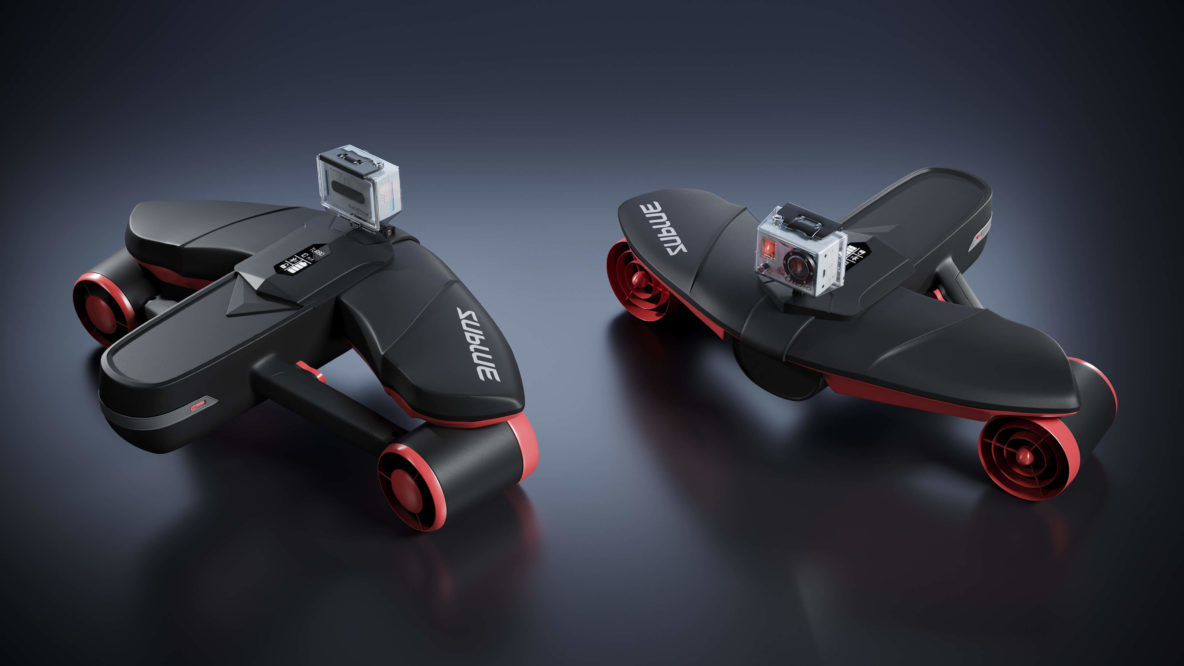
Underwater scooterTwo views of the same model, with the mounted action camera as a separate asset. Soft touch shell, machined rings around the thrusters and a lighting setup built to keep matte black from going flat.
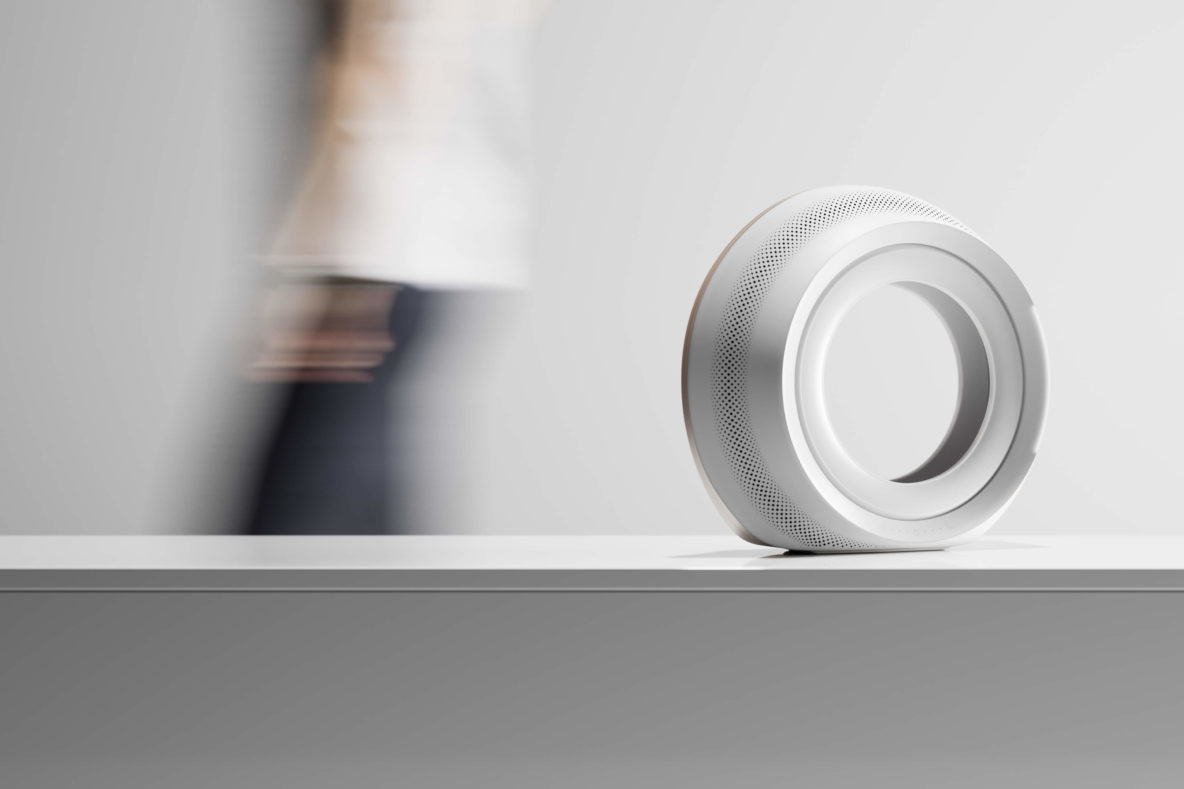
Portable speakerPerforated grille modelled rather than textured, plus a room and a passer by built in the same scene.
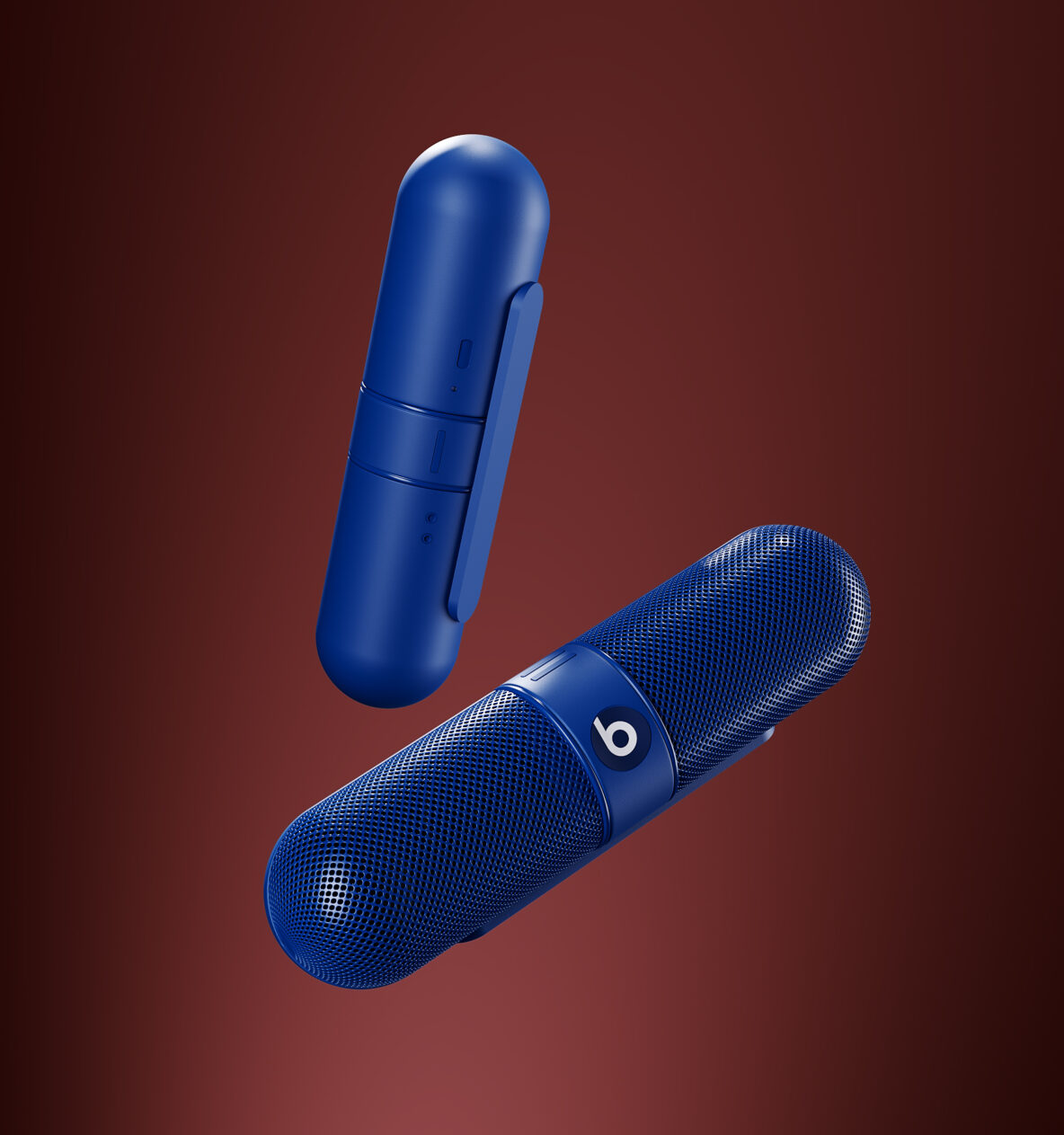
Wireless speakerTwo angles from one model, with the mesh grille and the soft touch shell reading differently under the same light.
Laptop, live modelSpin it here or open it on a phone. The same file behind the silo renders and the AR view on a product page.
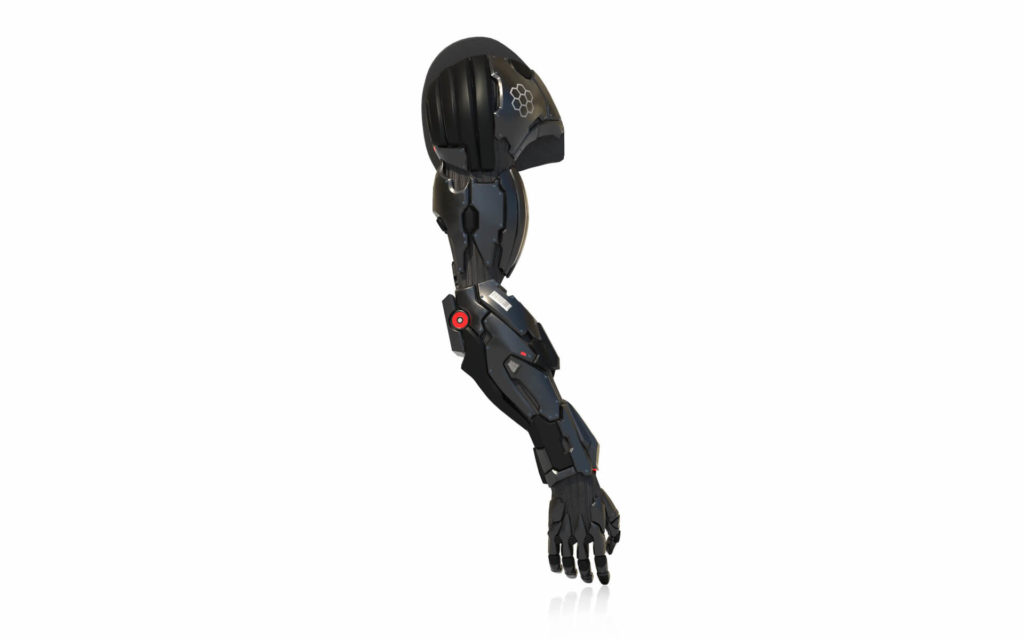
Game ready robotic armThe same modelling work, optimised for real time. What goes into configurators, apps and engines rather than a still image.
The details that make an electronics render look real
Consumer devices are held close and photographed to death by reviewers, so the eye already knows what they should look like.
We ask for the CAD and a photo of the first prototype whenever one exists. Between those two, the materials come together fast.
How a 3D electronics rendering and modeling project runs
Brief
You send CAD, the colourway list and the shot list. We come back with a quote and a schedule.
Grey model
Geometry only, no materials yet. You approve proportions, parting lines and the fit of every part.
Look development
Materials and lighting on one test frame, so the direction is agreed before the full set is produced.
Renders
The complete set arrives in the resolutions and formats you asked for, ready for retail and for web.
Revisions
Two rounds of changes come with the project, not as an extra line at the end of the invoice.
The brief for an electronics 3D modeling project
Electronics are designed digitally, so the brief is usually one folder. Everything after that is geometry, and the mesh is where the accuracy lives.
- CAD or STEP files. For most devices this is the whole brief, because the geometry already exists in engineering.
- The colourway list and the material spec: soft touch, anodised, gloss, and the exact finish codes if you have them.
- Photos of the prototype if one has been built, including the parting lines and the ports.
- The shot list: listing angles, exploded view, lifestyle scene, animation. It decides the quote more than the device does.
Electronics 3D modeling price and timing
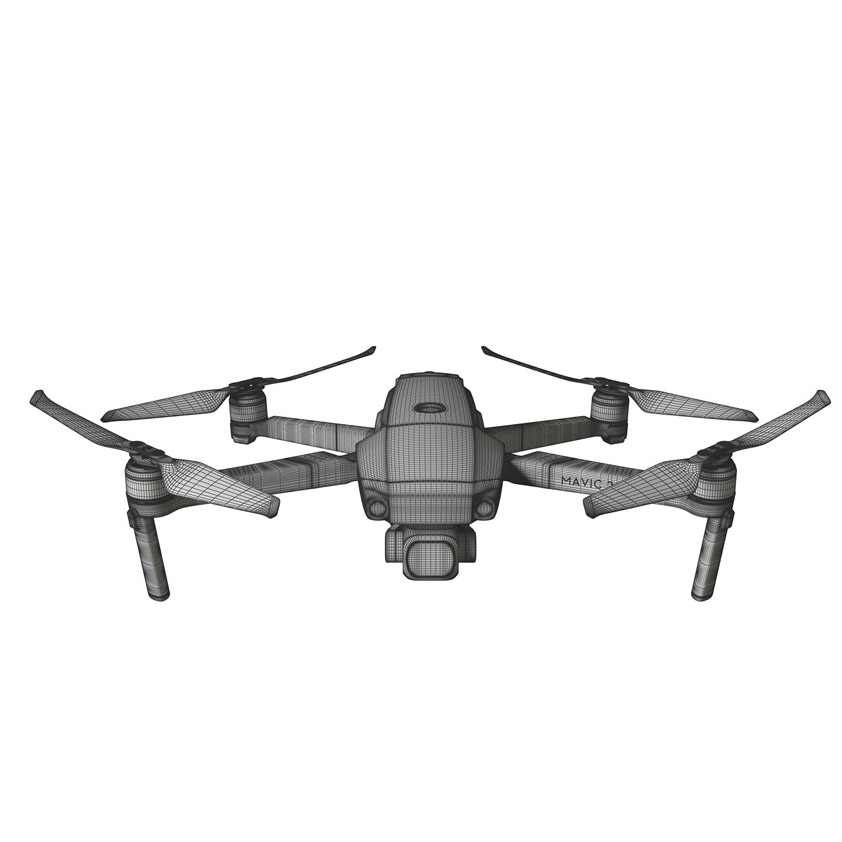
Projects run from about 360 USD for a small device to 1,080 for something as complex as a drone. A portable speaker came to 360 and three days, an underwater scooter to 720 and six, a quadcopter to 1,080 and eight. Work beyond the package is billed at 20 USD per hour.
See the full price listRead more about electronics visuals
Three from our blog, for when you want the detail behind the service.

Electronics 3D modeling FAQ
Have a Question?
We will be more than glad to help. Just send us your project details and we will consult you on the best solution to choose or provide a lightning-fast estimation.