
Contents
White background product photography is the workhorse of ecommerce: the clean, evenly lit shot that fills marketplace listings, catalogues and spec sheets. There are two honest ways to get it. You can photograph the product against a white sweep, which is a real craft with real costs, or you can render the same shot from a 3D model of the product. This page walks through both, with the trade-offs stated plainly, because we sell the second option and it is still not always the right one.
How the shot is made with a camera
A clean white shot is harder than it looks, which is why so many do-it-yourself listings have grey, blotchy backgrounds. The standard setup is a seamless white sweep behind the product, one or two lights on the background, and separate lights on the product itself. The background has to be lit brighter than the subject, about a stop over, so it registers as pure white without bleeding light around the product edges. Then comes post-production: colour correction against a grey card, cleanup, and usually a clipping path so the background is guaranteed even across the whole catalogue.
None of this is exotic, but all of it costs. A photographer, a studio with the sweep and lights, the product shipped to the studio, and retouching per image. Per shot rates at commercial studios commonly land between 25 and 70 dollars once retouching is in, and the general economics of the camera route are broken down in product photography cost.
Why marketplaces insist on white
The white background is not an aesthetic preference, it is infrastructure. Amazon requires a pure white background, RGB 255 255 255, for main listing images, and most marketplaces follow the same logic: white frames every product identically, removes distraction, and lets grids of unrelated products sit next to each other without visual chaos. For the brand it has a second benefit, consistency. A catalogue where every product is lit the same way reads as professional, and a catalogue where the light drifts from image to image quietly erodes trust. The full picture of what a listing needs is in our Amazon product photography guide.
The render route: the same shot without the shoot
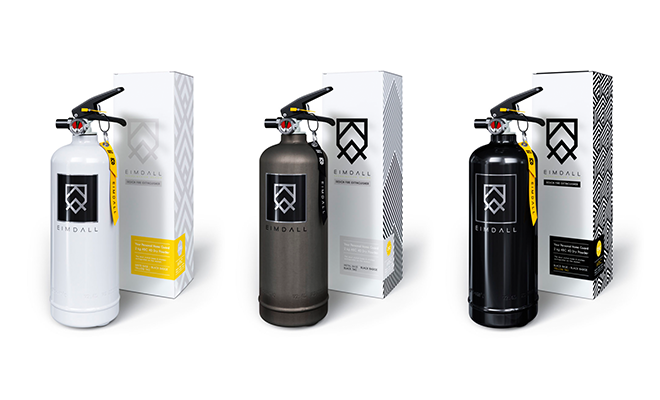
A rendered silo image is the same white background shot, calculated from a 3D model instead of captured. The virtual studio has the same sweep and the same lights, minus their rental cost, and the output is an image file at any resolution, with a transparent background version thrown in when you need one. The extinguisher above is a render.
What changes is the economics and the flexibility. At our studio a single silo image costs around 20 dollars, and in catalogue batches the per image price falls to about a dollar, because the scene is set up once and every product passes through the same light. No sample is shipped anywhere, so the images can exist before the product does, which is how pre-launch listings and catalogues get made. And when a design detail changes, the model is updated and re-rendered instead of reshot. The craft behind all of this is covered in our 3D product rendering guide, and prices are on the 3D product rendering services page.
When to shoot and when to render
Photograph it when you have one existing product, no variants, and a sample already at hand. A single hero shot of a physical item is quick work for a photo studio, and for food or organic products the camera keeps a real edge.
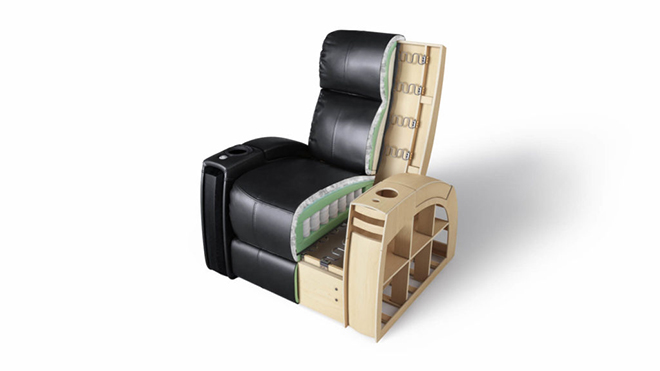
Render it when any of these is true: the range is large, the products come in colour and material variants, the item is heavy or awkward to ship to a studio, the product is not manufactured yet, or the catalogue gets refreshed every season. Each of those factors multiplies the cost of the camera route and barely moves the cost of the render route. The armchair above never visited a studio.
Variants at scale
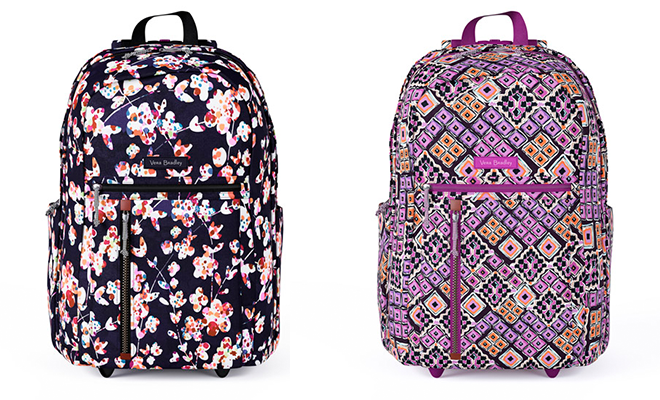
Variants are where the camera route genuinely breaks down. Shooting every colourway means shooting the range several times over, and recolouring one photo in an editor never quite survives scrutiny: fabric texture, stitching and reflections stay from the original colour and buyers notice. Many brands surrender and show one variant with swatches below, which is exactly where returns come from, the delivered blue not matching the imagined one.
From a 3D model, every colourway is rendered from the same file in the same light with identical framing, like the backpacks above. The buyer sees the actual variant, and the catalogue stays visually uniform however many options exist. What that does to conversion is covered in product images and conversion.
Beyond the still: spin and AR from the same model
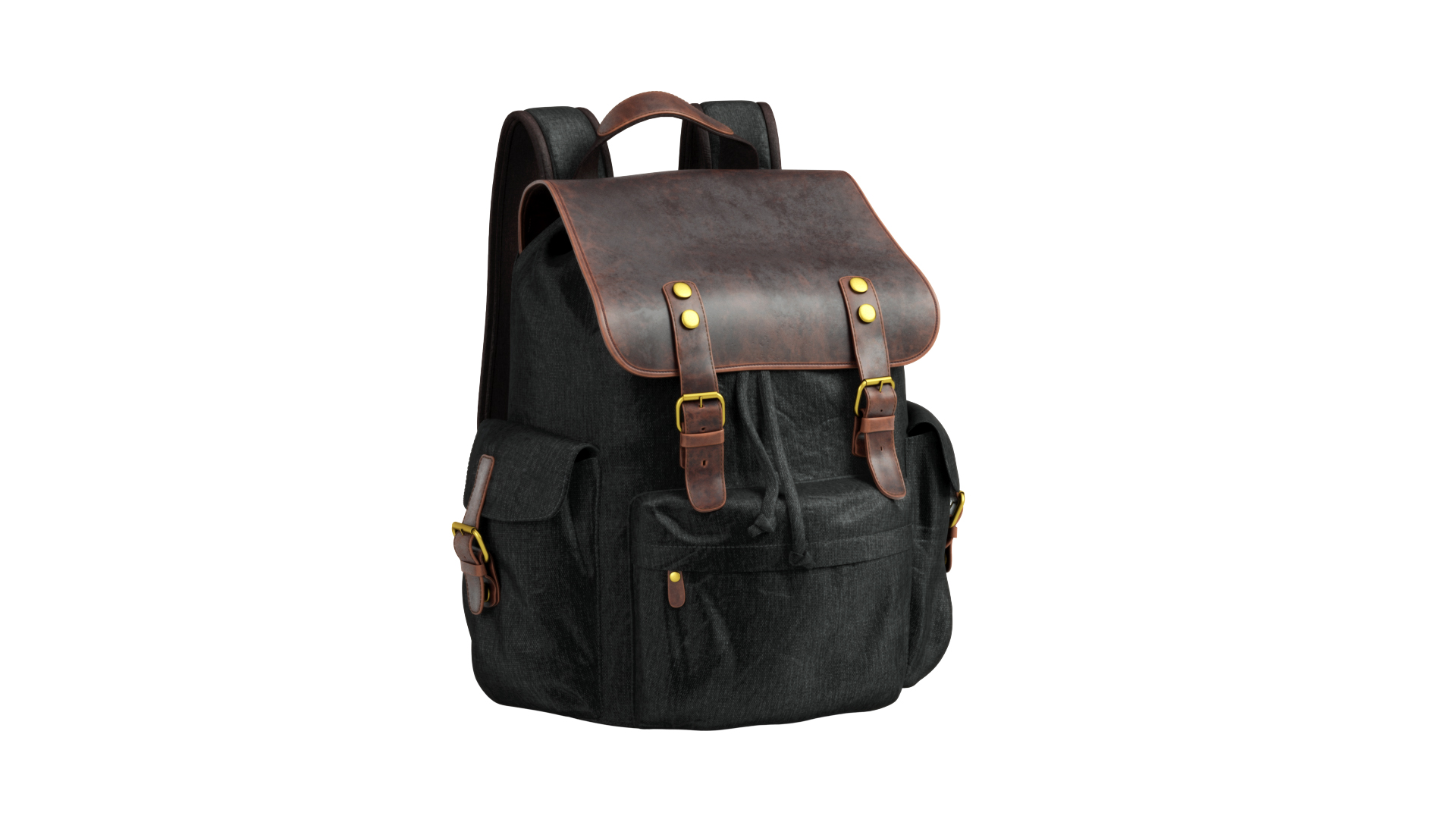
The model that produced the white background set does not retire after the stills. The same file feeds a draggable 360 spin for the product page, like the one above, and an AR file that lets the buyer stand the product in their room at real size. Both cost render time rather than a new project, which is the quiet economics of the whole approach: the model is the asset, the images are outputs. How spins work is in 360 product photography, and the AR side is on our AR product visualization page.
The short version: white background product photography is mandatory infrastructure for selling online, and how you produce it is a budget decision, not a dogma. Shoot the one-off, render the range, and if you want the numbers for your own catalogue, the rendering services page is where to start.

Ana Wayne
Content Writer, Copywriter
Ana is a content writer for UFO3D. She has a passion for exploring tech innovations and product marketing trends – and for writing about them. Outside of work, she is a fan of sci-fi movies and a street food connoisseur.
Let us know if you’ve got an interesting project and want to work together!