About This Project
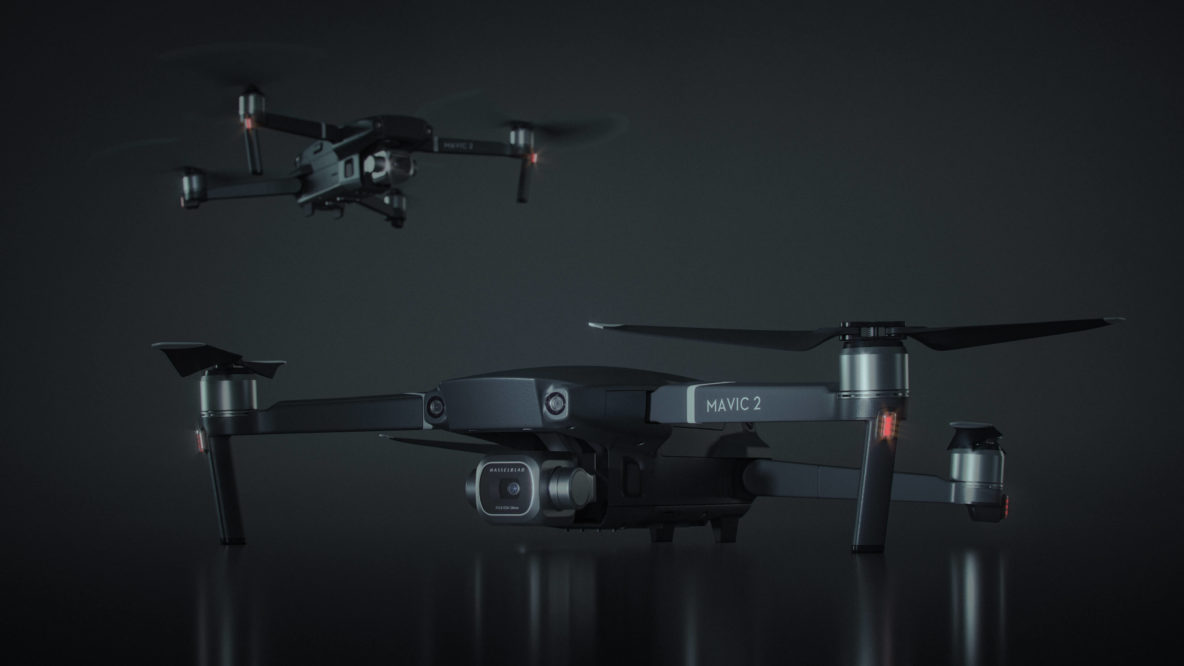
A folding camera drone, shown in several ways. The hero image is a dark studio shot with two drones, one in the air and one landed. After that come clean views on white, then untextured grey renders from the side and from the top: the bare geometry, before any materials were added.
Why the grey renders are on this page
Most portfolios skip this part and show only the finished images. We put the grey model up deliberately. It’s the geometry stage, and it gets signed off before a single material goes on. Why bother showing it? Because a polished image can hide a bad shape, and a grey one can’t. Look at the folding arms. The motor housings, the propeller blades, the gimbal, the camera, the little sensors on the body: it’s all there in plain grey. Get the geometry right and materials and light just add polish. Get it wrong and you can light it all day, it won’t help.
Price and timing
A quadcopter sits at the top of our electronics range. On a comparable project it came to about 1,080 USD and took eight days. That’s because drones have lots of parts, folding mechanisms and tiny bits like vents and screws, and the propellers need the right twist modeled in. Compare a portable speaker: about 360 USD, three days. Anything outside the package is billed at 20 USD an hour, and you get two rounds of changes. See our electronics 3D modeling page for the full range.
The studio shot
Dark background, light coming in low and from the side. That picks out the matte grey plastic of the body and the small glints on the camera lens. With two drones in the frame, one flying and one on the ground, the picture explains the product by itself, no caption needed. You’d use an image like this on a launch page, or on the box.
Images before the product exists
Electronics often go to market before there are production units to photograph. Rendering from CAD is how the campaign, the packaging and the retailer listing can all be ready on announcement day. We build the model from the engineering files, so the images match what actually ships.
Drone buyers care about folded size too. Will it fit in a bag or not? Since the arms are modeled as moving parts, one model can show the drone folded and unfolded side by side. No second version needed.
What else the model can do
For animation, a drone model is a great starting point: arms unfolding, propellers spinning, the gimbal turning. You can also pull exploded views from it to explain what’s inside, handy for a product packed with tech. Export it as GLB and USDZ for augmented reality, or as an optimised mesh for a configurator or an app. New colours and special editions? Those are just material changes on the same file.
If you want a sense of how the formats compare, from stills to video and AR, our article on product visual formats walks through them one by one.
Let us know if you’ve got an interesting project and want to work together!