
Contents
3D rendering for marketing means producing campaign visuals from a 3D model of the product instead of shooting the product itself. The image on the product page, the video in the ad, the spin on the listing and the AR view in the app can all come out of one file, and for a growing share of brands they do. This page covers the five formats that file can feed, what switching to rendered visuals actually changes for a marketing team, and where each format earns its keep.
If you are new to the craft itself, how a render is made and priced, start with what is 3D rendering and the 3D product rendering services page. This article is about the marketing side: what to order, when, and why.
What rendering changes for a marketing team
The traditional path to a campaign image runs through a physical sample, a booked studio, a photographer and a shipping label, and it breaks in predictable places: the prototype is late, the reshoot will not fit the budget, the plan changed mid-process and half the shots are now wrong. Rendering rearranges that workflow in four ways that matter more than any single image.
- The calendar stops depending on logistics. Nothing is manufactured, shipped, rented or booked. A modeler recreates the product from CAD, drawings or photos, places it in a digital set, and a whole batch for the store can be delivered in one go.
- The budget buys work, not overhead. You pay for an artist at a computer, not for studio rent, prototype freight and a crew. A recolor or a scene change is an adjustment in software rather than a second shoot, and two rounds of revisions come included in our projects.
- The campaign can be ready before the product exists. Renders are built from design files, so the launch materials can be finished while manufacturing is still tooling up. Brands use this for pre-orders, crowdfunding pages and retail pitches, and it also means you can test ads with two design variants and let the audience vote before committing the factory to either.
- A changed plan costs hours, not a shoot day. When the concept shifts mid-campaign, the scene is adjusted and re-rendered. This is the single biggest reason rendered campaigns miss fewer launch dates.
Still renders: the workhorse format
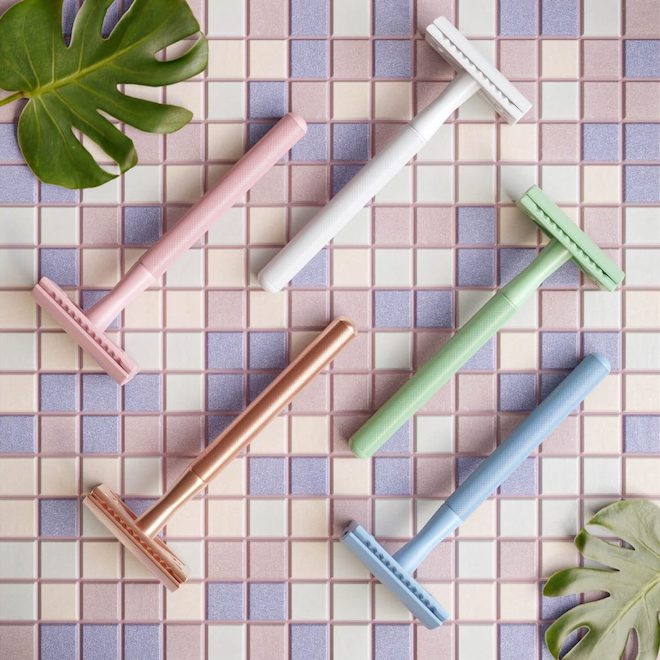
Still renders are the most universal format: product listings, social posts, banners, catalogues. The same model produces clean shots on white for the marketplace and styled lifestyle scenes like the razors above, and there is no practical limit on how many contexts one product can be placed into. Which shots a store page actually needs is covered in 3D product shots for ecommerce.
Animation: the format that explains
Video is what audiences prefer for learning about a product before buying, and animation is how rendered visuals do video. It earns its budget wherever something needs explaining: how a product is installed, assembled or used, or why an innovative design beats the alternatives, as in the Emerson CO2 booster film above. The craft has its own guide in product animation, and the service is on the 3D product animation page.
Interactive 360 view: the format that reassures
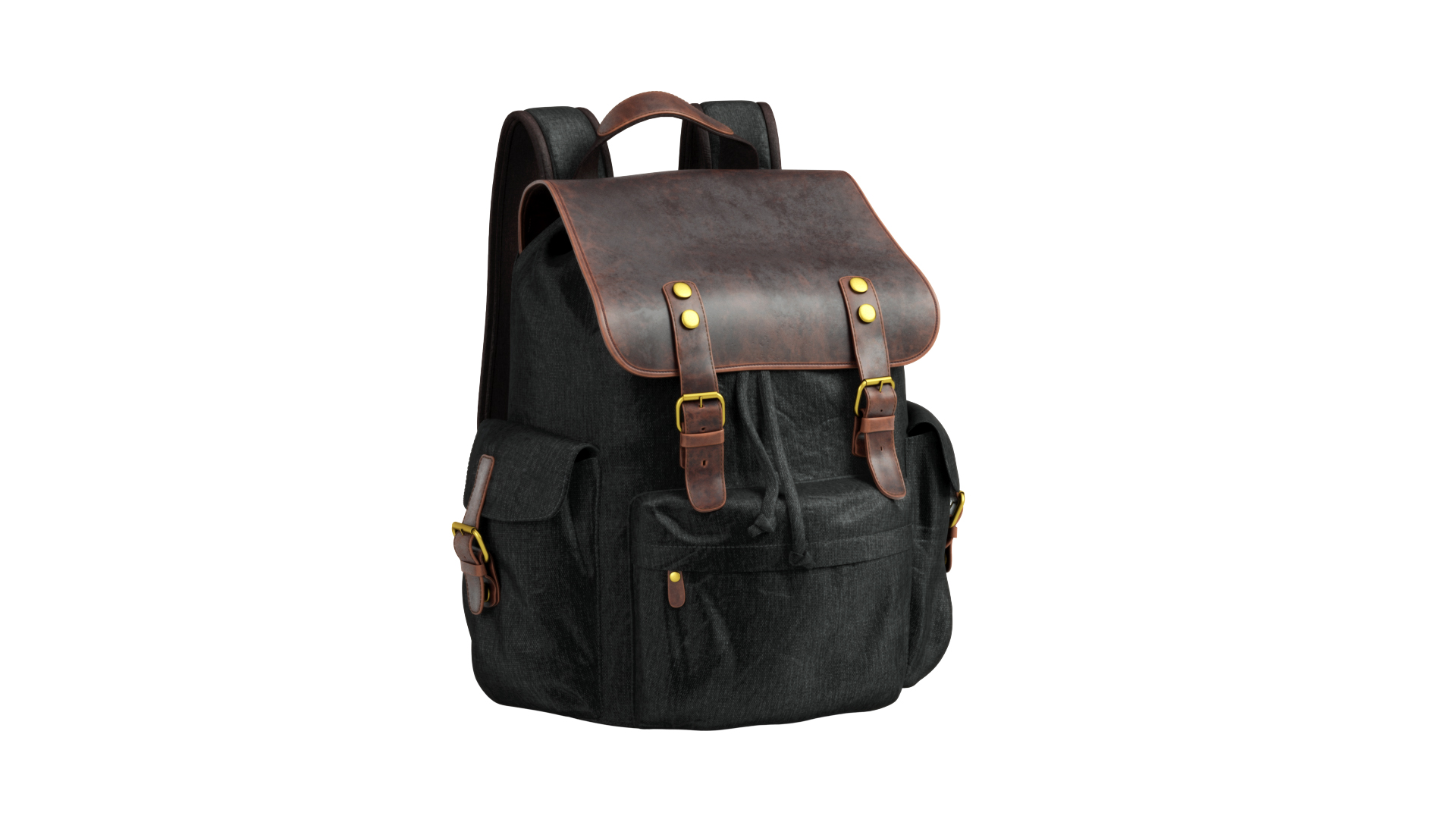
A 360 spin lets the buyer examine the product from every angle, the closest an online store gets to picking the thing up. Interactivity is what shoppers consistently ask of ecommerce, and a spin delivers it with nothing to install. Drag the one above and see for yourself. What a rendered spin costs and how it gets made is in 360 product photography.
AR models: the product in the buyer’s room
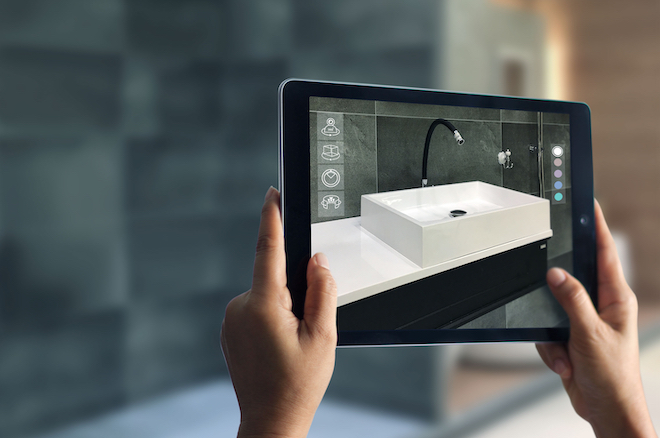
Many brands now ship an AR view alongside the photos: the shopper points a phone at the floor and the sofa, sink or speaker stands there at real size. The reassurance matters most for bulky and expensive purchases, where seeing the piece in the room is the difference between ordering and hesitating, and between keeping and returning. What an AR ready model has to be, and what it costs, is on our AR visualization page.
VR experiences: the format for brand stories
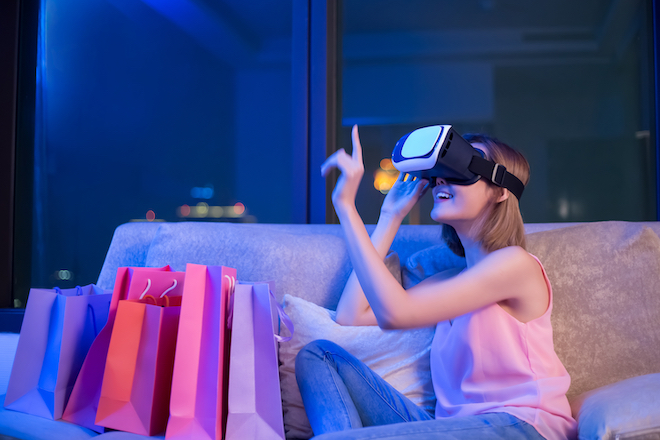
VR is the rarest of the five and the most immersive. Car retailer Vroom built a VR showroom where buyers sit in the driver’s seat without visiting a dealership, and Patrón Spirits turned its production process into a VR journey from agave field to factory. These are brand story projects rather than catalogue work, and they run on the same rendered assets. We built one ourselves: a distillery modeled for VR before it was built in steel.
Why CGI holds up in advertising
Three properties make rendered visuals fit for campaign work, not just for filling a product grid.
They pass for photographs. Modern product CGI goes unnoticed in automotive, furniture, fashion and electronics advertising, which is exactly the point: the product is shown accurately, in the environment it was designed for, and nothing reads as fake. What makes an image cross that line is a craft question we unpack in photorealistic rendering.
One product, many audiences. The same scene renders every colourway, so each segment of the audience can meet the variant most likely to convert it. Cutaway shots show the engineering inside the housing for the buyer who needs proof of substance. A campaign stops being one image repeated and becomes a family of images from one source.
No concept is off the table. An underwater set, the product on the wing of a plane, a street at golden hour: scenes that would be a production nightmare on camera are ordinary work in 3D, and they cost hours rather than a location budget. The brand message decides the image, not the logistics.
The asset that compounds
The quiet advantage shows up in the second campaign. Models, scenes and textures from the first project are reusable: a product rendered for the spring launch gets re-dressed for the holiday push at a fraction of the original cost, and brands that render regularly build a library of their own assets that every future campaign draws from. This is why the per image cost falls the longer a brand works in 3D, a pattern we break down in product rendering cost.
The wider map of what that one model can feed, stills, film, spins and AR, is in our 3D product rendering guide, and prices start on the product rendering services page.

Ana Wayne
Content Writer, Copywriter
Ana is a content writer for UFO3D. She has a passion for exploring tech innovations and product marketing trends – and for writing about them. Outside of work, she is a fan of sci-fi movies and a street food connoisseur.
Let us know if you’ve got an interesting project and want to work together!