
Contents
Furniture is bought with the eyes. A sofa has no spec sheet worth reading, no benchmark to win: the buyer looks, imagines it in the living room and decides. That is why every working furniture marketing idea, from a Facebook post to a Black Friday campaign, comes down to the same two questions: where will the customer see your piece, and how good will it look there. This guide collects the whole map in one place. The social formats that get shared, the advertising that converts, the seasonal pushes that make a quarter, the content that warms up cold visitors, the experience tools that keep them on the page, and the product imagery that powers all of the above. What the market itself is doing right now is a separate story, covered in our furniture industry trends overview.
Social media posts that get shared
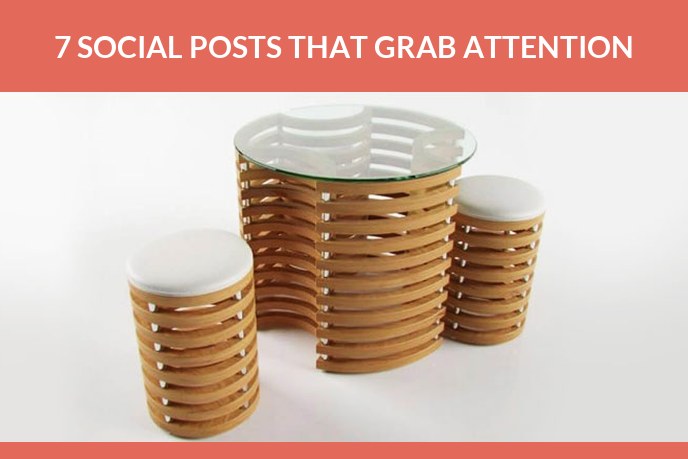
Social feeds are where a furniture brand meets people who were not looking for furniture. Seven post types consistently earn attention:
- Niche posts. Content aimed at everyone entertains everyone and sells to no one. Define the exact customer, write in their language, publish when they scroll.
- AIDA posts. The old formula still structures a commercial post best: a headline that catches attention, a line that builds interest, a detail that creates desire, and one specific call to action.
- Success stories. Social proof in its natural form: ask customers for stories with your piece in them, run a contest for the best one, collect the photos and the hashtag.
- Visually impactful posts. The feed is an ocean of pictures, so the picture decides. Renders, 360 spins and short animations present furniture with more control than any phone photo.
- Storytelling posts. Why you make furniture the way you do. Emotion converts into follows, and follows convert later.
- Instructional animations. Show how the piece assembles, folds or transforms. Value for the viewer, a feature demo for you.
- Product uniqueness posts. The wood, the joinery, the technology nobody else uses. Told with motion and closeups, not adjectives.
Advertising that pays for itself
Paid channels amplify whatever you put into them, which is exactly why weak creatives waste budgets so reliably. Two rules keep furniture ads honest: the ad and the product page must feel like one picture, so the click does not break the promise, and every campaign needs its own measurable goal. The practical side is covered in two dedicated guides: furniture advertising ideas collects the five approaches that consistently lift online sales, and furniture advertising campaign with CGI shows how CGI lets one product model feed a whole campaign of creatives without a reshoot.
Seasonal and holiday campaigns

The National Retail Federation has reported that holiday sales can account for as much as 20 to 30 percent of a retailer’s annual revenue, and furniture takes its share of that peak. The competition is at its loudest, so the brands that win prepare the season like a product launch:
- Theme every channel at once. Landing pages, email templates, social covers and even the logo pick up the holiday symbols, with a countdown widget doing the urgency work.
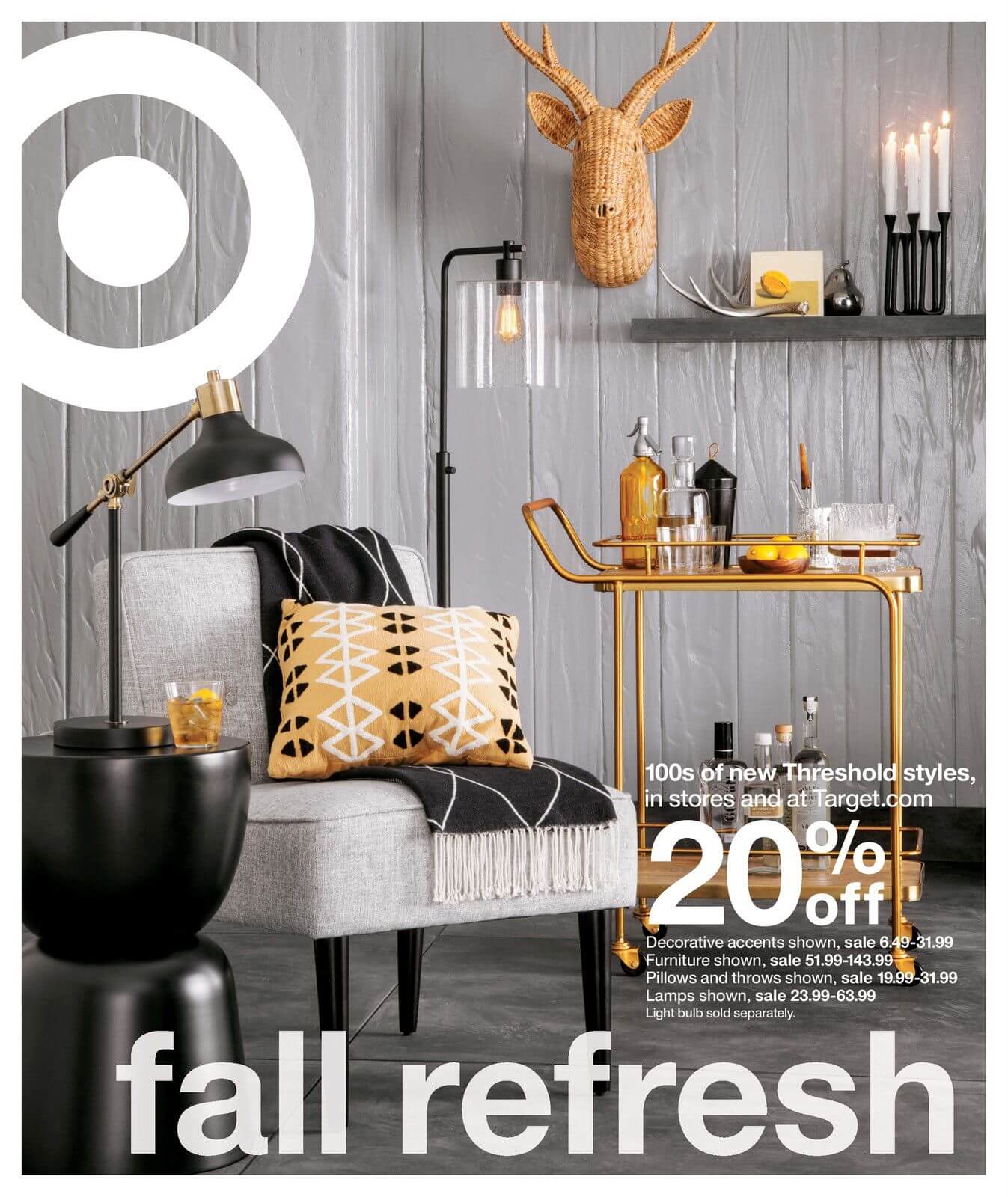
- Refresh the lifestyle imagery. The same sofa in a winter scene with warm light sells a different feeling than the summer catalog shot. With CGI this is a re-render of an existing scene rather than a new photoshoot, which is what makes seasonal visuals affordable in the first place.
- Run a festive contest. Contests work as advertising the audience does for you, and they collect emails for the holiday campaign. The prize must be relevant: free shipping for a year beats a generic gadget.
- Co-brand and hashtag. A branded holiday hashtag or a partner campaign borrows an audience that already trusts someone.
- Package the offers. Gift guides, bundles, prize draws and cashback move the undecided, online and in the store alike.
Content marketing and the design blog
Advertising catches people who already want a sofa. Content marketing reaches them earlier, at the stage when they are only living with the problem: the room feels crowded, the table seats four when the family is six. Useful articles, videos and guides introduce the brand before any purchase intent exists, and trust built at that stage skips straight past comparison shopping.
The workhorse of that strategy is a design blog. The formats that earn their traffic: customer cases with real numbers, how-to guides for choosing and arranging furniture, trend overviews, behind-the-scenes of manufacturing, and answers to the questions your salespeople hear every week. Each post then works every channel you have: search, social, email digests and thematic communities. The mechanics of doing this as a manufacturer, with a small team and no editorial budget, are unpacked in our guide to content marketing for manufacturers.
Customer experience that sells
Attention is only the first half of the job. Once the visitor is on the page, the experience has to answer the questions a showroom would: how big is it really, how does the mechanism work, how would it look in my room. Three tools do most of that work:
- Interactive tutorials and demos. Short animations that show how the smart corner sofa unfolds or how the shelving reconfigures. They keep visitors on the site and quietly prove reliability.
- 360 views and spins. The closest a page gets to walking around the piece, covered in detail in 360 product photography.
- Configurators and AR. Letting the buyer pick the fabric and then stand the result in their own room removes the two biggest doubts at once. What a configurator costs and earns is in our 3D product configurator explainer.
The imagery behind every channel
Every idea above runs on pictures of furniture, and buyers now meet those pictures mostly on phones, in feeds, apps and mobile search. That volume is the real argument for the CGI route: one 3D model of a piece, built once, produces the catalog silos, the lifestyle scenes, the seasonal re-dresses, the spins, the animations and the AR view, in every size every channel needs. A photoshoot produces one set of frames and ages with the collection; the model keeps producing. How that pipeline works and what it costs against photography is broken down in furniture rendering, how imagery maps to each stage of the funnel is in furniture store marketing, and the service itself, with prices from about 200 USD per model, lives on our furniture 3D modeling services page. The craft behind every render in this playbook is unpacked in our 3D product rendering guide.
FAQ

Irma Prus
Content Writer, Copywriter
Irma has been writing for UFO3D for 7 years. She is a CGI-specialized copywriter who enjoys exploring CGI news, is obsessed with the green color and firmly believes into chocolate mint sweets supremacy.